
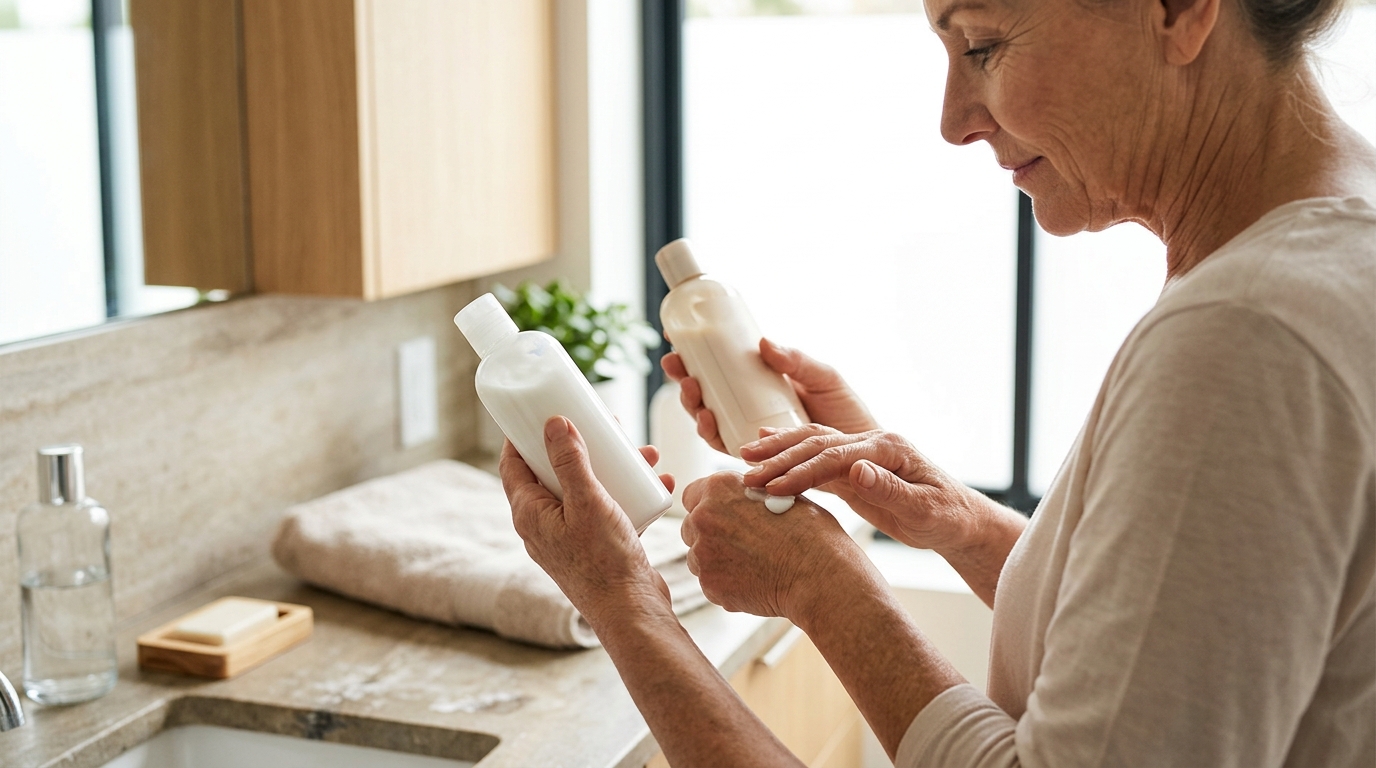
Understanding the difference between marketing hype and actual skincare efficacy is critical for maintaining healthy skin barriers. According to recent dermatological studies, approximately 70% of consumers struggle to interpret cosmetic ingredient lists accurately, often prioritizing brand reputation over chemical composition. This gap in knowledge leads to suboptimal product choices and wasted expenditure on ineffective formulations. By mastering the art of ingredient analysis, you can make informed decisions that align with your specific dermatological needs. This guide provides a structured approach to dissecting lotion formulations, ensuring you select products that deliver tangible results.
Understanding Ingredient Ordering Rules
The first step in comparing two lotions is recognizing that ingredient lists are not random. They follow a strict regulatory framework designed to inform consumers about concentration levels. Ingredients are listed in descending order by weight, meaning the substance present in the highest quantity appears first. This rule is fundamental to understanding the true nature of a product.
When you compare two lotions, look at the first three ingredients. If water is the first ingredient, the product is primarily a hydrating base. If oils or butters appear at the top, the lotion is likely more occlusive and richer. Visibl helps you decode these patterns by analyzing the ratio of active compounds to base ingredients. For a deeper dive into how AI can assist in skincare analysis, visit our AI skincare and wellness analyst platform.
Consider two hypothetical lotions. Lotion A lists water, glycerin, and cetearyl alcohol as its top three ingredients. Lotion B lists squalane, shea butter, and glycerin. Even if both claim to be "moisturizing," Lotion B is formulated with significantly higher concentrations of emollients. This structural difference dictates how the product interacts with your skin barrier. Understanding this hierarchy prevents you from being misled by front-of-package claims.
Identifying Active Ingredients vs. Fillers
Not all ingredients serve the same purpose. Skincare formulations typically consist of active ingredients, which provide the primary therapeutic benefit, and inactive ingredients, which serve as carriers, stabilizers, or preservatives. Active ingredients are the drivers of change in your skin health.
When comparing lotions, identify the active ingredients in each. Common actives include hyaluronic acid for hydration, niacinamide for barrier repair, and ceramides for lipid replenishment. If a lotion claims to reduce redness but lists niacinamide as the tenth ingredient, the concentration is likely too low to be effective. In contrast, a lotion with niacinamide in the top five ingredients offers a higher probability of clinical results.
Fillers, such as certain silicones or cheap thickeners, may provide immediate slip and spreadability but offer little long-term benefit. Visibl allows you to filter products based on active ingredient potency, ensuring you do not pay a premium for filler-heavy formulations. You can explore our skincare analysis services to get a detailed breakdown of your current products.
Analyzing Preservative Systems
Preservatives are essential for preventing microbial growth in water-based products. However, the type of preservative used can significantly impact skin sensitivity and overall product safety. Some preservatives, such as parabens or formaldehyde releasers, are effective but controversial due to potential irritation risks. Others, like phenoxyethanol or ethylhexylglycerin, are generally considered safer for sensitive skin types.
When comparing two lotions, examine the preservative system. A lotion with a robust, multi-functional preservative system is more likely to remain stable and safe throughout its shelf life. Conversely, a lotion relying on a single, weak preservative may degrade quickly, leading to contamination. According to data from the Environmental Working Group, certain preservative classes are flagged for higher potential toxicity profiles. Always cross-reference preservatives with reputable databases to ensure safety.
Visibl provides detailed insights into preservative safety ratings, helping you avoid harmful compounds. Our skincare safety blog offers comprehensive guides on identifying safe preservation methods. By prioritizing lotions with gentle yet effective preservatives, you protect your skin from both environmental damage and product degradation.
Evaluating Irritants and Allergens
Even high-quality ingredients can cause adverse reactions if they are incompatible with your specific skin type. Fragrances, both synthetic and natural, are among the most common causes of contact dermatitis. When comparing lotions, check for the presence of "fragrance" or "parfum" on the ingredient list. These terms can mask dozens of undisclosed chemicals, making it difficult to assess potential risks.
Alcohol denat, often listed near the top of the ingredient panel, can be drying and irritating for those with compromised skin barriers. It is crucial to distinguish between fatty alcohols, which are emollient and beneficial, and simple alcohols, which can be stripping. A lotion free from common irritants like sulfates, synthetic dyes, and high concentrations of denatured alcohol is generally safer for long-term use.
Visibl helps you identify potential irritants by cross-referencing your skin profile with product formulations. Our demo tool can simulate how specific ingredients might interact with your unique skin biology. By avoiding known irritants, you reduce the risk of inflammation and maintain a healthy skin barrier.
Comparing Formulation Technologies
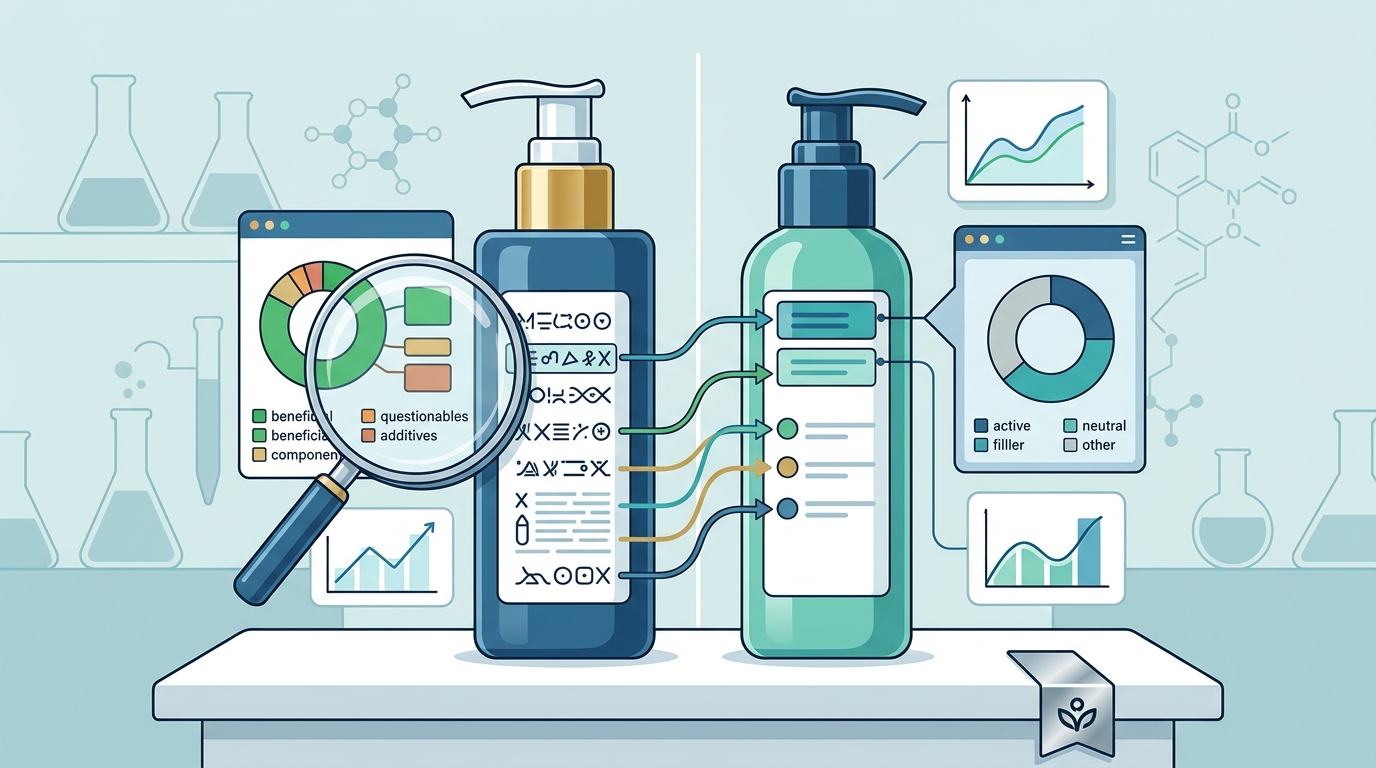
Beyond individual ingredients, the overall formulation technology determines how well the product penetrates the skin and delivers its benefits. Advanced lotions often use encapsulation technologies or lipid bilayer structures to enhance absorption. These technologies ensure that active ingredients reach the deeper layers of the epidermis rather than sitting on the surface.
When comparing two lotions, look for claims regarding delivery systems. A lotion with a patented delivery system may offer superior efficacy compared to a standard emulsion, even if the ingredient lists appear similar. However, be skeptical of vague marketing terms without scientific backing. Visibl analyzes formulation claims against clinical data to verify their validity. You can learn more about our methodology on our about page.
Consider the texture and absorption rate as well. A lotion that absorbs quickly without leaving a greasy residue often indicates a well-balanced emollient and volatile silicone blend. This balance is crucial for user compliance, as comfortable products are more likely to be used consistently. Consistent use is key to achieving visible improvements in skin health.
Key Takeaways
- Ingredients are listed in descending order by weight, so the first three ingredients define the product's primary character.
- Active ingredients should appear higher on the list to ensure effective concentrations for therapeutic benefits.
- Preservative systems are critical for product safety; avoid lotions with controversial or weak preservatives.
- Fragrance and denatured alcohol are common irritants that can compromise sensitive skin barriers.
- Formulation technology, such as encapsulation, can enhance ingredient efficacy beyond what the ingredient list alone suggests.
- Visibl provides AI-driven analysis to decode complex ingredient lists and identify potential irritants.
- Consistent use of a well-formulated lotion is essential for long-term skin health improvements.
Frequently Asked Questions
How do I know if an active ingredient is effective?
Active ingredients are effective when they appear in the top half of the ingredient list. If an active ingredient is listed near the bottom, its concentration is likely too low to produce noticeable results. Visibl can help you verify these concentrations by analyzing the product's formulation structure.
What is the difference between fatty alcohols and denatured alcohol?
Fatty alcohols, such as cetyl or stearyl alcohol, are emollients that help soften and hydrate the skin. Denatured alcohol, often listed as alcohol denat, is a solvent that can be drying and irritating. It is important to distinguish between these two types to avoid products that may damage your skin barrier.
Are natural ingredients always better than synthetic ones?
Not necessarily. Natural ingredients can be effective but may also cause allergic reactions in some individuals. Synthetic ingredients are often more stable and less likely to cause irritation. The key is to evaluate the safety and efficacy of each ingredient, regardless of its origin. Our blog post on natural vs. synthetic ingredients provides more details.
How can I check if a lotion contains harmful preservatives?
You can check the ingredient list for preservatives like parabens, formaldehyde releasers, or high concentrations of phenoxyethanol. Visibl provides detailed safety ratings for preservatives, helping you identify potentially harmful compounds. You can access our product reviews for specific preservative analyses.
Why is the order of ingredients important?
The order indicates the concentration of each ingredient. Ingredients listed first are present in higher amounts. This information is crucial for determining the primary function of the lotion and whether it meets your specific skincare needs.
Can AI help me compare lotions?
Yes, AI can analyze complex ingredient lists and cross-reference them with clinical data to provide objective comparisons. Visibl uses advanced algorithms to evaluate ingredient quality, potential irritants, and formulation efficacy. Visit our contact page to learn how we can assist you.
What should I look for in a moisturizer for sensitive skin?
Look for lotions free from fragrance, denatured alcohol, and harsh preservatives. Ingredients like ceramides, hyaluronic acid, and niacinamide are generally well-tolerated and beneficial for sensitive skin. Visibl can help you find products tailored to sensitive skin profiles.
Start Your Skincare Analysis Today
Comparing ingredient quality is the first step toward achieving healthier, more resilient skin. By understanding the science behind formulations, you can make informed choices that deliver real results. Visibl is here to help you navigate the complex world of skincare ingredients with confidence and clarity. Book a demo today to see how our AI-driven insights can transform your skincare routine.