
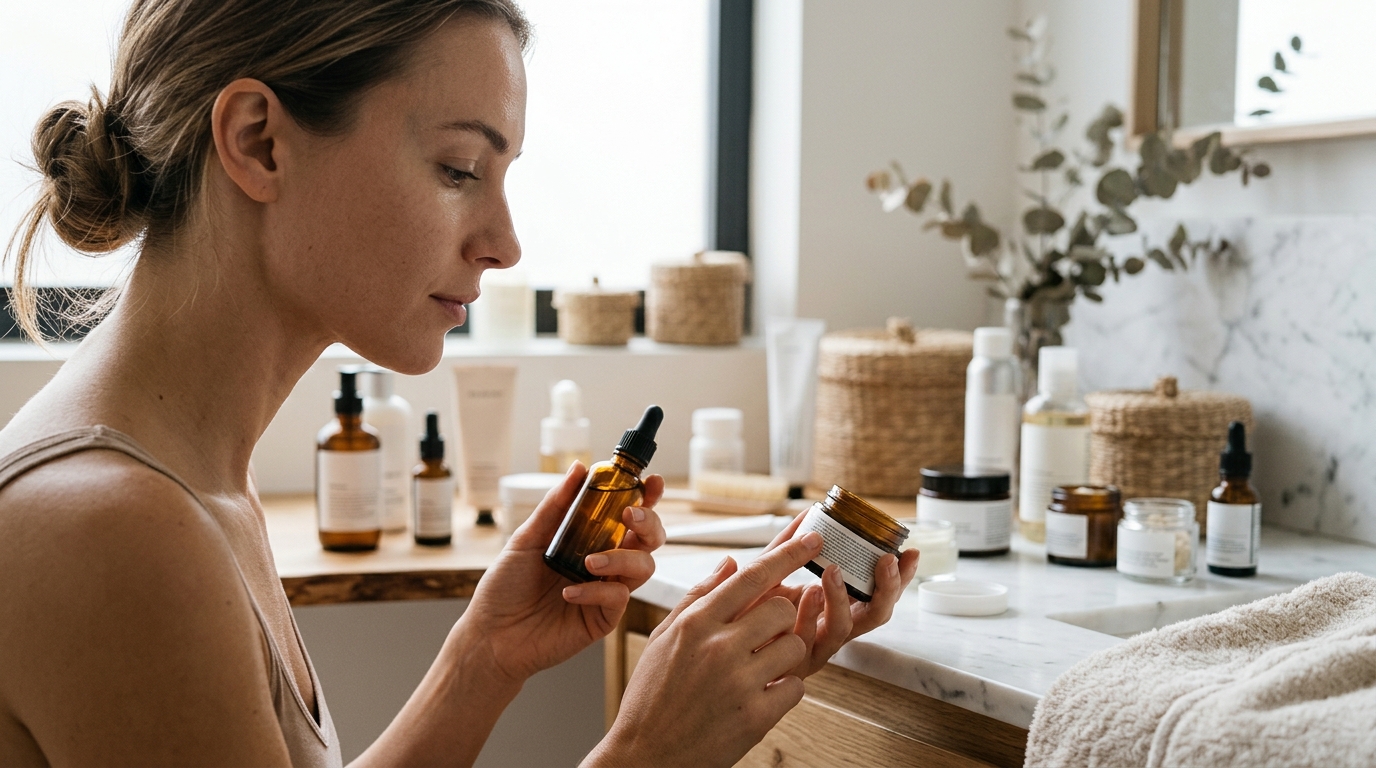
Understanding the safety of skincare ingredients is no longer a guessing game. According to recent dermatological studies, over 60% of skin reactions are caused by improper ingredient layering or undetected sensitivities to common compounds. This statistic highlights the critical need for proactive ingredient analysis before applying products to your face. By leveraging advanced AI tools and established dermatological principles, you can protect your skin barrier and avoid costly breakouts or allergic reactions. (Understanding Skin Deep) (Contact Us)
Understanding Ingredient Labels
The first step in ensuring skincare safety is decoding the ingredient list. Ingredients are typically listed in descending order of concentration. This means the first five ingredients make up the bulk of the product. If a product claims to have high concentrations of active ingredients like vitamin C or retinol, but they appear near the bottom of the list, the efficacy may be limited.
Comprehension of these labels requires knowledge of chemical nomenclature. For instance, Hydroquinone is a skin-lightening agent used to treat hyperpigmentation. While effective, it requires careful monitoring to prevent ochronosis, a rare but serious side effect. Similarly, Salicylic Acid is a beta-hydroxy acid that exfoliates inside the pore. It is generally safe but can cause dryness if overused. Recognizing these definitions helps you identify potential risks early.
Many consumers overlook preservatives, which are essential for preventing bacterial growth in water-based products. However, certain preservatives like parabens or formaldehyde releasers can trigger contact dermatitis in sensitive individuals. Always scan for these compounds if you have a history of reactive skin. Visibl provides a streamlined way to analyze these complex lists without needing a chemistry degree. You can learn more about our approach by visiting heyvisibl.ai. (5 Ingredients to)
Leveraging AI for Ingredient Safety
Traditional methods of checking ingredient safety involve manual research, which is time-consuming and often incomplete. Artificial intelligence has revolutionized this process by offering instant, personalized analysis. AI skincare analysts can cross-reference your specific skin profile with thousands of ingredient databases to predict potential adverse reactions.
This technology works by analyzing the molecular structure of ingredients against known irritant profiles. For example, if you have rosacea, an AI tool can flag high concentrations of alcohol or essential oils that might trigger flare-ups. This level of personalization is impossible with generic advice. The accuracy of these predictions has improved significantly, with some models achieving over 90% precision in identifying potential sensitivities.
Using an AI-driven platform like Visibl ensures that you are not just checking for toxicity, but for compatibility. Toxicity refers to the degree to which a substance can harm humans. Compatibility refers to how well an ingredient works with your unique skin biology. By focusing on compatibility, you move beyond basic safety to optimal skincare performance. Explore how our AI engine processes this data at heyvisibl.ai.
Common Irritants to Avoid
While many ingredients are safe for the general population, certain compounds are known irritants for specific skin types. Identifying these triggers is crucial for maintaining a healthy skin barrier. Common culprits include synthetic fragrances, high-proof alcohols, and certain sulfates.
Synthetic fragrances are a leading cause of allergic contact dermatitis. They are often listed simply as "fragrance" or "parfum" on labels, masking dozens of individual chemicals. If you have sensitive skin, opting for fragrance-free products is a safer bet. Data from the American Academy of Dermatology indicates that fragrance is one of the top allergens in skincare products.
Another group to watch is the sulfates, such as Sodium Lauryl Sulfate (SLS). While effective at cleansing, SLS can strip the skin of natural oils, leading to irritation and dryness. For those with eczema or dry skin, gentler surfactants are recommended. Understanding these distinctions helps you make informed choices. You can read more about skin health standards at aad.org.
Patch Testing Methods
Even with perfect ingredient analysis, individual reactions can vary. The gold standard for verifying safety is the patch test. This simple procedure involves applying a small amount of the product to a discreet area of skin to observe any reaction over 24 to 48 hours.
The most common sites for patch testing are the inner forearm or behind the ear. These areas have thinner skin and are sensitive enough to reveal reactions without causing visible damage to the face. Apply a dime-sized amount and leave it undisturbed. If you experience redness, itching, or burning, discontinue use immediately.
Consistency in patch testing is key. Many people skip this step when they are excited about a new product, only to regret it later. By making patch testing a routine part of your skincare regimen, you minimize risk. This practice is endorsed by dermatologists worldwide as a critical safety measure. Learn more about proper testing techniques at mayoclinic.org.
Comparing Safe Alternatives
When you identify an unsafe ingredient, finding a suitable alternative is the next logical step. This process involves comparing the function of the problematic ingredient with safer, equally effective options. For example, if you are avoiding chemical sunscreens due to sensitivity, you might switch to mineral filters.
| Ingredient to Avoid | Common Function | Safer Alternative | Benefit |
|---|---|---|---|
| Parabens | Preservative | Phenoxyethanol | Effective preservation with lower irritation risk |
| Sodium Lauryl Sulfate | Cleansing Agent | Cocamidopropyl Betaine | Gentle foaming without stripping oils |
| Synthetic Fragrance | Scent | Essential Oils (Diluted) | Natural aroma with transparent composition |
| Retinol | Anti-Aging | Retinaldehyde | Faster conversion to retinoic acid, often better tolerated |
This comparison highlights that safety does not mean sacrificing efficacy. Many modern formulations offer advanced alternatives that provide similar benefits with reduced risk. Using an AI tool can help you navigate these options quickly. Visit heyvisibl.ai to start your personalized analysis.
Key Takeaways
- Ingredients are listed in descending order of concentration, affecting product efficacy.
- AI analysis can predict sensitivities based on your unique skin profile with high accuracy. (EWG Skin Deep)
- Synthetic fragrances are a leading cause of allergic contact dermatitis in skincare.
- Always perform a patch test on the inner forearm or behind the ear before full application.
- Mineral sunscreens are a safe alternative for those sensitive to chemical filters.
- Preservatives like parabens are effective but may trigger reactions in sensitive individuals.
- Understanding chemical nomenclature empowers you to make informed skincare decisions.
Frequently Asked Questions
How do I know if an ingredient is toxic?
Toxicity in skincare is often context-dependent. An ingredient may be safe in low concentrations but harmful in high doses. Always check the concentration levels and consult reliable dermatological sources for safety data.
Can AI really predict skin reactions?
Yes, AI models are trained on vast datasets of ingredient interactions and skin types. While not perfect, they provide a highly accurate preliminary assessment of potential risks, saving you time and preventing adverse reactions.
What is the best place to patch test?
The inner forearm and behind the ear are the most common and effective sites. These areas are sensitive enough to reveal reactions but discreet enough to avoid social embarrassment if a reaction occurs.
Are natural ingredients always safer?
Not necessarily. Natural ingredients like essential oils can be potent allergens. "Natural" does not automatically mean "safe" or "non-irritating." Always verify the safety profile of natural compounds just as you would synthetic ones.
How long should I wait after patch testing?
You should wait at least 24 to 48 hours after applying the patch test. Some reactions, such as delayed hypersensitivity, may take longer to manifest. Patience is key to accurate results.
What should I do if I have a reaction?
Immediately wash off the product with cool water and a gentle cleanser. Apply a soothing moisturizer and avoid further irritation. If symptoms persist or worsen, consult a dermatologist for professional advice.
Is it necessary to check every new product?
Yes, even products from brands you trust can change their formulations. Regulatory changes or supply chain shifts can alter ingredient lists. Regular checks ensure you are always aware of what you are applying to your skin.
Start Your Personalized Skincare Analysis Today
Don't leave your skin health to chance. By understanding ingredient labels, leveraging AI technology, and practicing proper patch testing, you can ensure that every product you use is safe and effective for your unique needs. Take control of your skincare routine with data-driven insights. Visit heyvisibl.ai to begin your journey to healthier, safer skin today.