

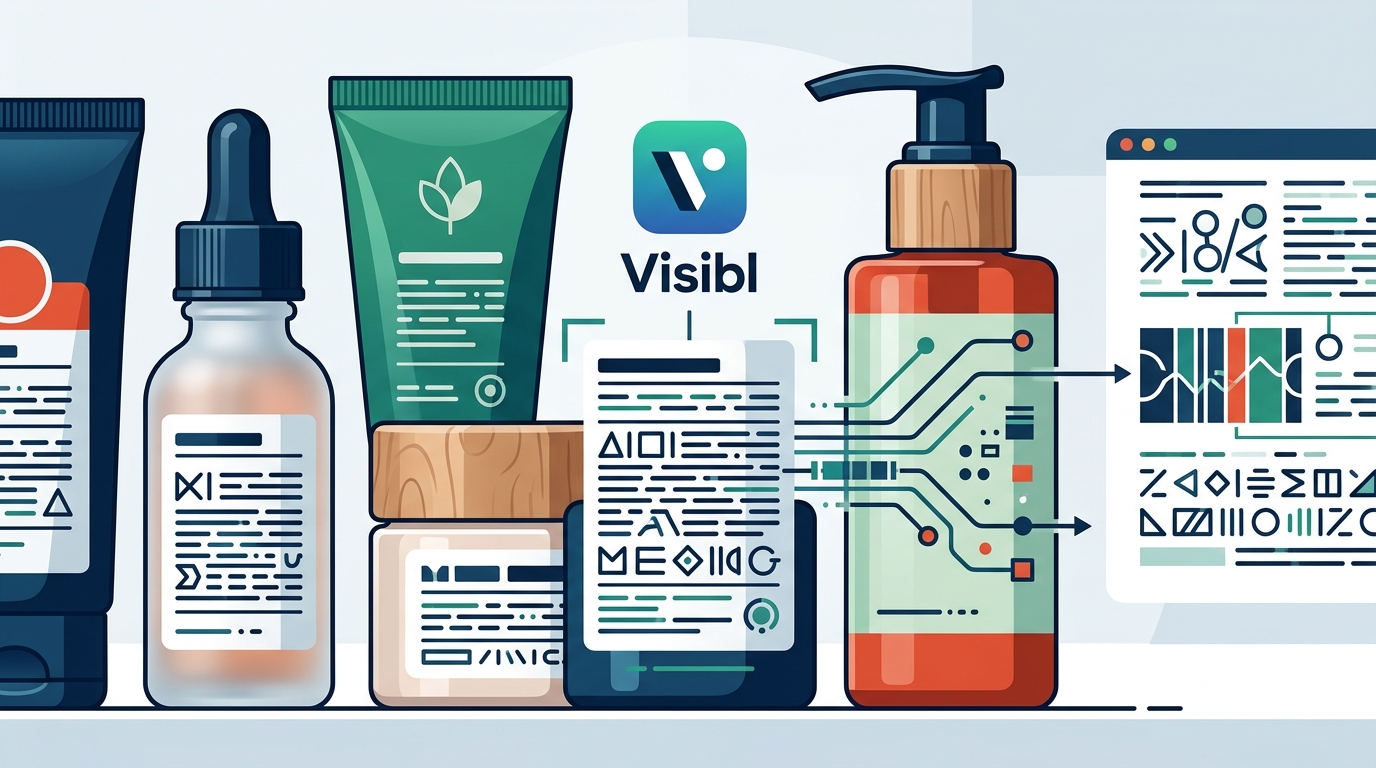
Understanding what you put on your skin is no longer optional. According to the Environmental Working Group, the average consumer uses 12 personal care products daily, exposing their skin to over 164 unique chemicals in a single routine. This statistic highlights why decoding the International Nomenclature of Cosmetic Ingredients (INCI) list is critical for anyone seeking effective, safe skincare. Visibl acts as your AI skincare and wellness analyst to help you navigate this complexity with precision and confidence. (Contact Us)
Why Ingredient Transparency Matters
Skincare is a science, not a guessing game. When you read a label, you are looking at a precise formulation designed to interact with your skin barrier. The order of ingredients on a label is not random. It follows a strict regulatory requirement based on concentration. (Customer Experience)
Ingredients present at higher concentrations appear at the top of the list. Those present at less than one percent can appear in any order after the main components. This structure allows you to identify the primary active agents in a product. Without this knowledge, you might pay a premium for a product that contains only trace amounts of the advertised active ingredient. (Frequently Asked Questions)
Transparency also protects you from potential irritants. Many consumers suffer from contact dermatitis or sensitivity to common preservatives and fragrances. By understanding the label, you can avoid triggers before they cause a reaction. Visibl helps you identify these hidden triggers by analyzing your specific skin profile against ingredient databases. (About)
The INCI Decoding System
The International Nomenclature of Cosmetic Ingredients (INCI) provides a standardized naming system for cosmetic ingredients. This system ensures that a product sold in the United States, the European Union, and Asia uses the same name for the same chemical. This standardization is vital for global skincare education and safety.
Botanical names are Latin. When you see a plant-derived ingredient, it will often have a Latin binomial name. For example, Camellia sinensis leaf extract is green tea. Recognizing these Latin names helps you identify natural components in your routine.
Synthetic names are chemical. Synthetic ingredients use chemical nomenclature. Sodium hyaluronate is the salt form of hyaluronic acid. Retinyl palmitate is a form of vitamin A. These names indicate the molecular structure and stability of the ingredient. Understanding these distinctions helps you predict how an ingredient will behave on your skin.
Common names are simplified. Some ingredients are listed by their common names for consumer clarity. Glycerin is also known as glycerol. Tocopherol is vitamin E. These simplified names make the label more accessible to the average consumer.
Key Ingredients to Look For
Not all ingredients are created equal. Some are active agents that change your skin structure. Others are emollients that soften the surface. Knowing the difference allows you to build a routine that targets your specific concerns.
Humectants
Humectants draw water from the environment or the deeper layers of your skin to the epidermis. They are essential for hydration. Glycerin is a classic humectant that is effective and affordable. Hyaluronic acid is another popular choice. It can hold up to 1,000 times its weight in water. This property makes it a powerful hydrator for dry skin types.
Emollients
Emollients fill in the gaps between skin cells. They create a smooth surface and prevent water loss. Squalane is a lightweight emollient that mimics the skin's natural oils. It is non-comedogenic and suitable for most skin types. Jojoba oil is another excellent emollient. It closely resembles human sebum, making it highly compatible with the skin barrier.
Active Agents
Active agents target specific skin concerns. Retinol is the gold standard for anti-aging. It increases cell turnover and stimulates collagen production. Niacinamide is a versatile active that reduces inflammation and regulates oil production. It is suitable for acne-prone and sensitive skin. Salicylic acid is a beta-hydroxy acid that exfoliates inside the pore. It is ideal for blackheads and oily skin.
Ingredients to Avoid
Some ingredients are controversial due to potential health risks or environmental impact. While regulatory bodies deem many of these safe in low concentrations, many consumers prefer to avoid them entirely. Understanding these ingredients helps you make informed choices.
Parabens are preservatives. Parabens prevent bacterial growth in products. They are effective and inexpensive. However, some studies suggest they may disrupt hormonal balance. If you are concerned about endocrine disruption, look for products preserved with phenoxyethanol or ethylhexylglycerin.
Sulfates are surfactants. Sulfates create lather in cleansers. Sodium lauryl sulfate is a common example. It can be harsh and strip the skin of natural oils. This can lead to dryness and irritation. For sensitive skin, choose sulfate-free cleansers that use milder surfactants like coco-glucoside.
Fragrances are irritants. Fragrance can be a mix of dozens of chemicals. The term "fragrance" on a label does not require disclosure of the specific components. This lack of transparency can be problematic for those with allergies. Look for products labeled "fragrance-free" or those that use essential oils for scent.
Concentration Myths vs. Reality
Many consumers believe that a higher percentage of an active ingredient always means better results. This is a common misconception. The efficacy of an ingredient depends on its stability, penetration, and formulation.
Retinol potency varies. A 1% retinol product is not necessarily twice as effective as a 0.5% product. The formulation determines how much retinol reaches the skin. Encapsulated retinol releases slowly over time. This reduces irritation while maintaining efficacy. Starting with a lower concentration allows your skin to build tolerance.
Hyaluronic acid weight matters. Not all hyaluronic acid is the same. Low molecular weight HA penetrates deeper. High molecular weight HA sits on the surface. A product with multiple weights provides layered hydration. This is more effective than a single high concentration of one type.
Acid pH levels are critical. The effectiveness of alpha-hydroxy acids and beta-hydroxy acids depends on the pH of the product. AHAs work best at a lower pH. If the pH is too high, the acid will not exfoliate effectively. Look for products that specify their pH level or are formulated for optimal efficacy.
Ingredient Comparison Table
The table below summarizes common skincare ingredients, their primary function, and suitability for different skin types. This overview helps you quickly identify which ingredients align with your skincare goals.
| Ingredient | Primary Function | Best For | Considerations |
|---|---|---|---|
| Retinol | Anti-aging, cell turnover | Aging skin, acne | Can cause irritation; use sunscreen |
| Niacinamide | Barrier support, oil control | Oily, sensitive skin | Generally well-tolerated |
| Hyaluronic Acid | Hydration | Dry, dehydrated skin | Works best in humid environments |
| Salicylic Acid | Exfoliation, pore clearing | Oily, acne-prone skin | Can be drying; limit use |
| Squalane | Moisturization, barrier repair | All skin types | Non-comedogenic and lightweight |
Key Takeaways
- Ingredient order indicates concentration. The first five ingredients make up the bulk of the product.
- INCI names are standardized. Use Latin names to identify botanicals and chemical names for synthetics.
- Higher concentration is not always better. Formulation and pH levels determine efficacy.
- Fragrance can be a hidden irritant. Look for "fragrance-free" if you have sensitive skin.
- Preservatives are necessary. Parabens and phenoxyethanol prevent bacterial growth in your products.
- Humectants need occlusives. Hyaluronic acid works best when sealed in with an emollient.
- AI analysis simplifies complexity. Visibl analyzes your skin profile to recommend safe, effective ingredients.
Frequently Asked Questions
How do I know if an ingredient is safe?
Check the ingredient against databases like the Environmental Working Group's Skin Deep or the Cosmetic Ingredient Review. These sources evaluate safety based on current scientific data.
Why are some ingredients listed in Latin?
Latin names are used for botanical ingredients to ensure global standardization. This prevents confusion caused by different common names in different languages.
Can I mix retinol and vitamin C?
It is generally recommended to use them at different times. Retinol can be unstable in the presence of certain forms of vitamin C. Using them separately reduces the risk of irritation and degradation.
What does "non-comedogenic" mean?
It means the product is formulated not to clog pores. However, no product is guaranteed to be non-comedogenic for every individual. Patch testing is always recommended.
How long does it take for ingredients to work?
Most active ingredients require four to six weeks of consistent use to show visible results. Skin cell turnover takes approximately 28 days. Patience is key to seeing benefits.
Are natural ingredients always better?
Not necessarily. Natural ingredients can be potent irritants. Synthetic ingredients are often more stable and less likely to cause allergic reactions. Efficacy and safety depend on the specific molecule, not its origin.
What is the most important ingredient to look for?
Sunscreen ingredients are the most important for long-term skin health. UV protection prevents premature aging and reduces skin cancer risk. Look for zinc oxide or titanium dioxide in your daily routine.
Start Your AI Analysis
Reading ingredient labels can be overwhelming. You do not have to do it alone. Visibl provides AI-powered skincare and wellness analysis to simplify your routine. Our platform analyzes your skin profile and recommends products based on your unique needs. Stop guessing and start knowing. Visit heyvisibl.ai to begin your personalized skincare journey today.