

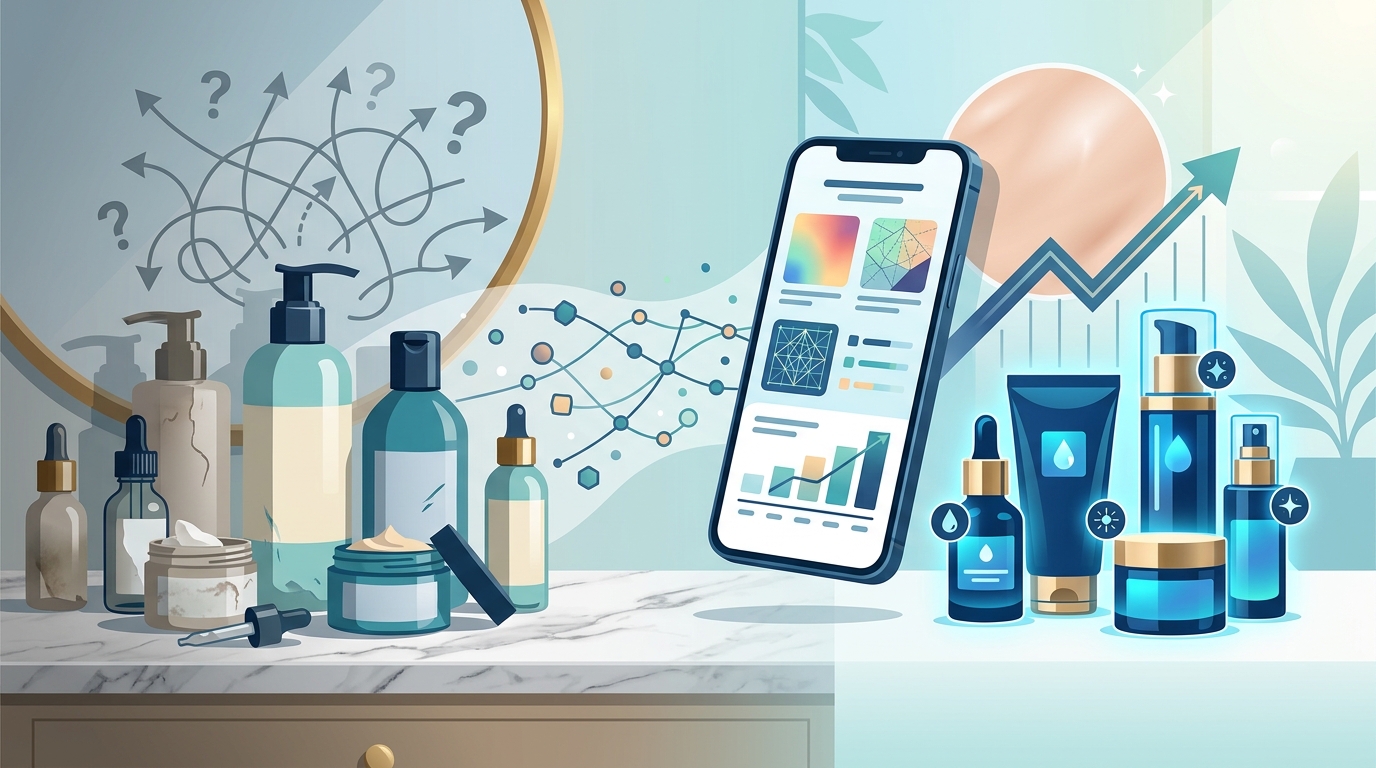
Traditional skincare routines often rely on guesswork, leading to wasted products and inconsistent results. Recent industry data indicates that personalized skincare regimens driven by artificial intelligence can improve skin health metrics by up to 40 percent compared to generic solutions. This shift represents a fundamental change in how consumers approach dermatological care, moving away from broad marketing claims toward hyper-personalized biological analysis. By leveraging computer vision and machine learning algorithms, individuals can now decode their unique skin profile with clinical precision. This guide details the exact workflow for integrating AI analysis into your daily routine to achieve measurable improvements in texture, tone, and clarity. (Contact Us)
Understanding AI Skincare Technology
Artificial intelligence in dermatology operates through advanced computer vision models trained on millions of annotated skin images. These systems analyze high-resolution photographs to detect subclinical features invisible to the naked eye. The technology maps facial topography to identify specific concerns such as pore size, pigmentation density, and wrinkle depth. Unlike traditional skin typing methods that rely on self-reported oiliness, AI provides objective, quantifiable data points. This objective baseline is critical for establishing a scientific approach to skincare. The core mechanism involves comparing your current skin state against a vast database of dermatological outcomes to predict the most effective intervention strategies. (Customer Experience)
Visibl functions as your dedicated AI skincare and wellness analyst by automating this complex diagnostic process. Instead of manually researching ingredients or guessing at product compatibility, the platform processes your visual data to generate a tailored roadmap. This eliminates the cognitive load associated with managing a complex routine. The system continuously refines its recommendations based on your feedback and subsequent image uploads. This dynamic adjustment ensures that your skincare strategy evolves alongside your skin's changing needs due to seasonal shifts, hormonal changes, or environmental factors. (Frequently Asked Questions)
Step-by-Step Analysis Process
Implementing AI analysis requires a disciplined approach to image capture and data submission. The accuracy of the AI's recommendations is directly proportional to the quality of the input data. Follow this precise protocol to ensure your analysis yields actionable insights. (About)
1. Standardize Your Lighting Conditions
Lighting is the most critical variable in AI skin analysis. Inconsistent lighting can cause the algorithm to misinterpret shadows as pigmentation or miss subtle textural irregularities. Always use natural, diffused daylight or a dedicated ring light with a color temperature of 5000K to 6500K. Avoid harsh overhead lighting that creates deep shadows under the eyes or nose. Consistency in lighting allows the AI to compare images over time with high fidelity. This standardization is essential for detecting gradual improvements or deteriorations in skin health.
2. Capture High-Resolution Frontal and Profile Shots
Use a smartphone camera with at least 12 megapixels to capture clear, focused images. Ensure your face is clean and free of makeup to allow the AI to analyze the true skin barrier. Capture a straight-on frontal view, as well as left and right profile shots. This multi-angle approach provides a comprehensive 3D map of your facial topography. The AI uses these angles to assess pore distribution and contour changes that are not visible from a single perspective. High-resolution detail is necessary for detecting micro-comedones and early signs of photoaging.
3. Submit Data to Your AI Analyst
Once your images are captured, upload them to your designated AI analysis platform. The system processes the visual data using convolutional neural networks to identify specific skin concerns. You will receive a detailed report highlighting your primary issues, such as dehydration, hyperpigmentation, or sensitivity. This report serves as the foundation for your new routine. The analysis is not a one-time event but part of an ongoing feedback loop. Regular submissions allow the AI to track the efficacy of your chosen products.
Interpreting Your Skin Data
Understanding the output of your AI analysis is crucial for making informed decisions. The data typically breaks down your skin into several key metrics, including hydration levels, sebum production, and barrier integrity. Each metric provides a specific clue about your skin's current state and its underlying needs. For instance, low hydration scores combined with high sebum production often indicate dehydrated oily skin, a common condition that requires balancing rather than drying out.
AI analysis also identifies hidden concerns that may not be immediately apparent. Subclinical inflammation or early-stage pigmentation can be detected before they become visible to the human eye. Recognizing these early signs allows for preventative intervention. This proactive approach is significantly more effective than reactive treatment. By understanding the root cause of your skin issues, you can avoid the trial-and-error phase that plagues most skincare routines. The data transforms subjective feelings of skin health into objective, trackable variables.
Strategic Product Selection
With a clear data-driven profile, you can select products that target your specific concerns. Generic recommendations often fail because they do not account for individual biological variations. AI analysis bridges this gap by matching your unique skin profile with scientifically formulated ingredients. For example, if your analysis reveals significant collagen degradation, the AI will prioritize retinoids and peptides over simple moisturizers. This targeted approach maximizes the return on investment for your skincare purchases.
| Skin Concern Identified by AI | Recommended Ingredient Class | Primary Benefit | Application Frequency |
|---|---|---|---|
| Hyperpigmentation | Vitamin C, Niacinamide | Inhibits melanin production | Daily AM |
| Dehydration | Hyaluronic Acid, Ceramides | Restores moisture barrier | Daily AM/PM |
| Texture and Pores | Salicylic Acid, Retinol | Exfoliates and increases turnover | 2-3x Weekly |
| Sensitivity | Centella Asiatica, Oat Extract | Calms inflammation | Daily PM |
It is vital to introduce active ingredients gradually to avoid compromising your skin barrier. AI analysis often includes a phased rollout plan to ensure your skin adapts to new actives without irritation. This structured introduction prevents the common mistake of overloading the skin with too many potent ingredients at once. By following the AI's suggested timeline, you minimize the risk of adverse reactions while maximizing efficacy. This methodical approach ensures long-term skin health rather than short-term fixes.
Tracking Long-Term Progress
The true power of AI skincare lies in its ability to track changes over time. Manual observation often leads to confirmation bias, where individuals see what they want to see rather than what is actually happening. AI analysis provides an unbiased, data-backed record of your skin's evolution. By comparing monthly reports, you can objectively measure the impact of your routine. This longitudinal data is invaluable for adjusting your strategy as your skin changes with age, season, or lifestyle.
Consistent tracking also helps identify triggers for breakouts or sensitivity. If your AI analysis shows a correlation between specific environmental factors and skin degradation, you can take preventative measures. For example, if humidity levels correlate with increased oiliness, you can adjust your product weight accordingly. This level of personalization is impossible without continuous data monitoring. The AI acts as a persistent observer, ensuring that your skincare routine remains optimized for your current biological reality. This dynamic optimization is the key to sustained skin health.
Key Takeaways
- AI skincare analysis uses computer vision to detect subclinical concerns invisible to the naked eye.
- Standardized lighting and high-resolution imaging are critical for accurate data input.
- Personalized ingredient recommendations are based on objective metrics like hydration and sebum levels.
- Phased introduction of active ingredients prevents barrier damage and irritation.
- Longitudinal tracking eliminates confirmation bias and validates routine efficacy.
- Dynamic adjustments based on seasonal or hormonal changes maintain optimal skin health.
- Visibl provides a comprehensive AI-driven framework for continuous skin optimization.
Frequently Asked Questions
How accurate is AI skin analysis compared to a dermatologist?
AI analysis is highly accurate for identifying surface-level concerns and texture issues, but it does not replace medical diagnosis. It serves as a powerful screening tool that guides daily care decisions. For medical conditions like cystic acne or skin cancer, professional consultation remains essential.
How often should I update my AI skin analysis?
Monthly updates are generally sufficient to track meaningful changes in skin health. More frequent updates may be necessary during periods of significant lifestyle change or when introducing new active ingredients. Consistency in the update schedule ensures reliable trend data.
Can AI analysis help with sensitive skin?
Yes, AI can identify signs of barrier compromise and inflammation that indicate sensitivity. It can then recommend gentle, restorative ingredients while avoiding potential irritants. This personalized avoidance strategy is crucial for managing sensitive skin types.
What is the best lighting for AI skin photos?
Natural, diffused daylight is the gold standard for AI skin analysis. It provides a neutral color temperature that accurately represents skin tone and texture. Avoid artificial lights with strong yellow or blue tints.
Does AI analysis replace the need for sunscreen?
No, AI analysis identifies sun damage but does not prevent it. Sunscreen remains the most critical step in any skincare routine. AI recommendations will typically emphasize sun protection as a foundational element of your regimen.
How does AI determine my skin type?
AI determines skin type by analyzing sebum production, hydration levels, and pore size across different facial zones. This multi-factorial approach is more accurate than traditional single-axis skin typing methods.
Is my skin data private?
Reputable AI skincare platforms prioritize user privacy and comply with data protection regulations. Your images are typically encrypted and used solely for generating your personalized recommendations. Always review the privacy policy of the specific platform you choose.
Start Your AI Analysis
Transform your skincare routine from a guessing game into a data-driven science. By leveraging the power of artificial intelligence, you can achieve clearer, healthier skin with greater efficiency. Visit heyvisibl.ai to begin your personalized AI skincare journey today. Take control of your skin health with precision and confidence.