
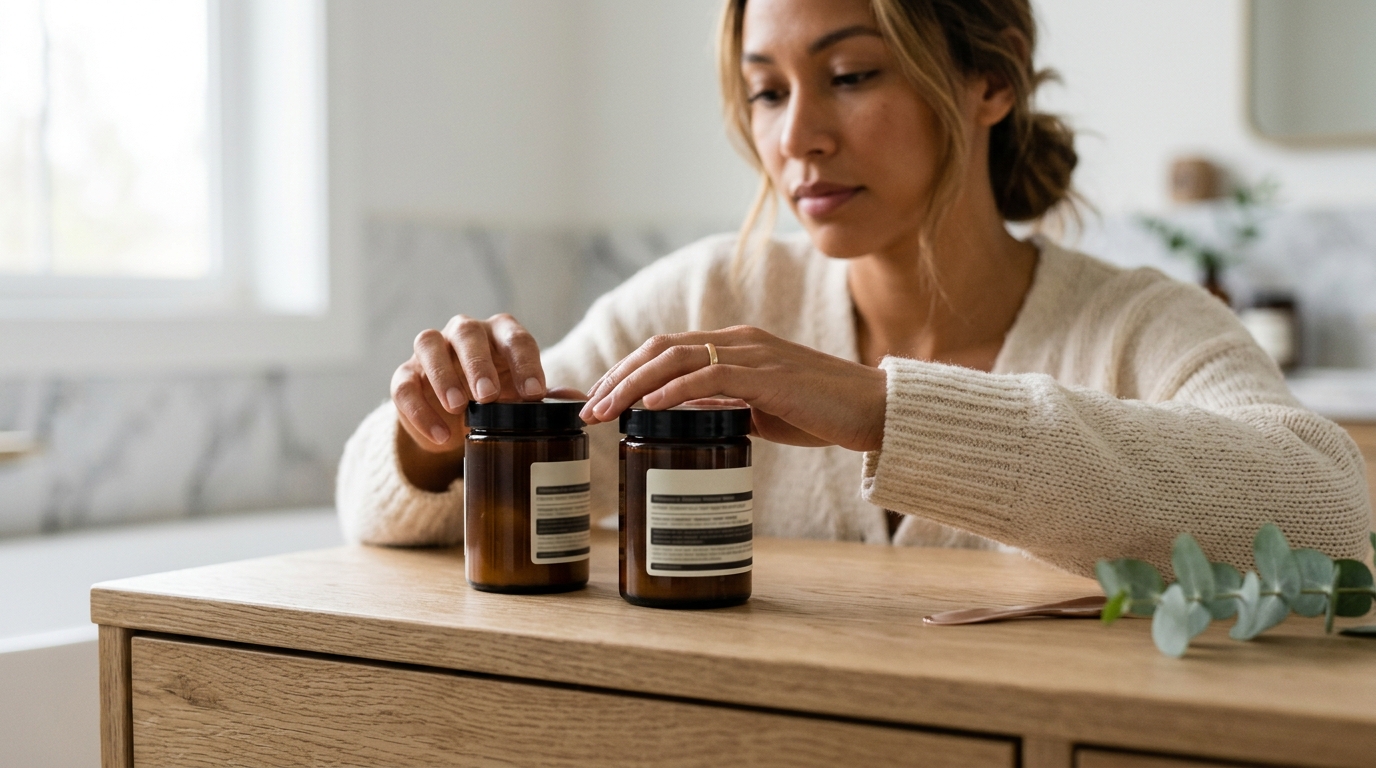
Understanding the difference between two lotions requires moving beyond marketing claims and examining the chemical composition on the label. According to the American Academy of Dermatology, the efficacy of a skincare product is directly tied to the concentration and stability of its active ingredients, which vary significantly between brands. This guide provides a systematic approach to decoding ingredient lists, identifying high-quality formulations, and making an informed decision for your skin health. (Contact Us)
Understanding Ingredient Ordering
The first step in comparing two lotions is recognizing that ingredient lists are not random. They are regulated by the Food and Drug Administration (FDA) to be listed in descending order of predominance. This means the ingredient present in the highest concentration appears first, and the ingredient present in the lowest concentration appears last. (Customer Experience)
When you hold two different lotion bottles, look at the first three ingredients. If water is the first ingredient, the product is primarily a hydrating base. If oils or butters appear early, the product is likely more occlusive and moisturizing. This structural hierarchy is critical for determining the primary function of each lotion. (Frequently Asked Questions)
The Significance of the First Three Ingredients
Ingredients listed before the "preservative line" typically make up the bulk of the product. If a lotion claims to be rich in vitamin C but lists it after the preservatives, the concentration is likely negligible. Comparing the top three ingredients of two lotions reveals their fundamental base: water-based, oil-based, or emulsion-based. (About)
Identifying Active Ingredients
Active ingredients are the components responsible for the specific therapeutic or cosmetic effect of the lotion. These might include humectants like glycerin, emollients like squalane, or occlusives like petrolatum. When comparing two lotions, you must identify which actives are present in both and which are unique to one.
For instance, if you are comparing a daily moisturizer against a repair cream, the repair cream should list higher concentrations of ceramides or peptides. The presence of these actives is what differentiates a basic hydrator from a functional skincare treatment. Understanding the role of each active allows you to match the lotion to your specific skin needs.
Humectants vs. Emollients vs. Occlusives
Humectants draw water into the skin. Emollients smooth the skin surface. Occlusives form a barrier to prevent water loss. A high-quality lotion often combines all three. When comparing two products, check if one relies solely on humectants, which can be drying in low-humidity environments, or if it includes occlusives to lock in that hydration.

Evaluating Ingredient Quality
Not all ingredients are created equal. The source and processing method of an ingredient can significantly impact its efficacy and safety. For example, not all hyaluronic acids are the same. High molecular weight hyaluronic acid sits on the skin surface, while low molecular weight penetrates deeper. Comparing the specific types of hyaluronic acid listed in two lotions reveals their intended depth of action.
Additionally, the purity of natural extracts matters. A lotion listing "lavender oil" may contain a potent antioxidant, but it can also be a common irritant for sensitive skin. In contrast, a lotion using "lavender extract" might be formulated to minimize irritation while retaining benefits. Analyzing the quality of these components is essential for long-term skin health.
Synthetic vs. Natural Ingredients
The debate between synthetic and natural ingredients is often overstated. Many synthetic ingredients, such as dimethicone, are highly effective and non-irritating. Conversely, natural ingredients can be unstable or allergenic. When comparing two lotions, evaluate the ingredient based on its scientific profile rather than its origin. A high-quality synthetic preservative may offer better protection against bacterial growth than a natural alternative.
Analyzing Preservatives and Stability
Preservatives are non-negotiable in water-based lotions to prevent microbial growth. However, the type of preservative used can indicate the quality and potential irritation risk of the product. Common preservatives include phenoxyethanol, parabens, and benzyl alcohol. Some individuals prefer to avoid certain preservatives due to sensitivity, while others prioritize the stability they provide.
When comparing two lotions, look at the preservative system. A lotion with a robust, multi-functional preservative system is likely to have a longer shelf life and better protection against contamination. Conversely, a lotion with minimal or no preservatives may be unstable or require specific storage conditions. This analysis helps you determine the longevity and safety of the product.
Identifying Potential Irritants
Some ingredients, while effective, can be irritating for sensitive skin. Fragrances, both synthetic and natural, are common culprits. Alcohol, particularly denatured alcohol, can be drying. When comparing two lotions, check for these potential irritants. A lotion free from common irritants may be a better choice for individuals with eczema or rosacea, even if its active ingredient profile is similar to another product.
Comparing Formulation Types
The physical form of the lotion also impacts its performance. Lotions are typically lighter than creams and contain more water. However, the ratio of water to oil determines the texture and absorption rate. A high-water content lotion absorbs quickly but may evaporate faster. A high-oil content lotion feels richer and provides longer-lasting moisture.
When comparing two lotions, consider the climate and your skin type. In humid environments, a lighter lotion may be preferable. In dry climates, a richer formulation may be necessary. The formulation type dictates how the lotion interacts with your skin throughout the day, influencing its overall effectiveness.
Texture and Absorption Rates
Texture is subjective, but absorption rate is measurable. A lotion that absorbs quickly leaves no residue, which is ideal for under makeup. A lotion that sits on the surface provides a barrier, which is ideal for night repair. Comparing the absorption rates of two lotions helps you determine their best use case in your daily routine.
Key Takeaways
- Ingredient lists are ordered by concentration, with the first three ingredients making up the bulk of the product.
- Active ingredients determine the specific benefits of a lotion, such as hydration or anti-aging.
- The molecular weight of ingredients like hyaluronic acid affects their penetration depth and efficacy.
- Preservatives are essential for safety, but the type used can impact skin sensitivity.
- Formulation type, including water-to-oil ratio, dictates texture and absorption rate.
- Comparing two lotions requires analyzing both their active ingredients and their potential irritants.
- High-quality lotions often combine humectants, emollients, and occlusives for balanced hydration.
Frequently Asked Questions
How do I know which lotion has a higher concentration of active ingredients?
Look at the position of the active ingredient in the list. Ingredients listed earlier are present in higher concentrations. If an active ingredient is near the end of the list, its concentration is likely low and may have minimal effect.
Are natural ingredients always better than synthetic ones?
No. Natural ingredients can be effective but may also cause irritation or be unstable. Synthetic ingredients are often designed for stability and efficacy. The quality of the ingredient matters more than its origin.
What is the most important factor when comparing two lotions?
The most important factor is the match between the lotion's formulation and your skin type. A lotion that works for oily skin may be too heavy for dry skin, regardless of its ingredient quality.
How do preservatives affect the quality of a lotion?
Preservatives prevent bacterial growth, ensuring the product is safe to use. The type of preservative can also influence skin sensitivity, with some individuals reacting to specific preservative systems.
Can I mix two different lotions for better results?
Mixing lotions can alter their stability and efficacy. It is generally recommended to use one lotion at a time to ensure the formulation works as intended. Consult a dermatologist before combining products.
What is the difference between a lotion and a cream?
Lotions have a higher water content and are lighter in texture. Creams have a higher oil content and are richer. The choice depends on your skin's hydration needs and the environmental conditions.
How long do lotions typically last after opening?
Most lotions last between six to twelve months after opening, indicated by a period-after-opening symbol on the packaging. Discard the product if the smell, color, or texture changes.
Get Personalized Advice
Comparing ingredient quality is a complex process that requires detailed analysis. Visibl provides AI-driven skincare and wellness analysis to help you decode your products and understand their impact on your skin. Visit heyvisibl.ai to get personalized insights and optimize your skincare routine.