Modern skincare consumers face an overwhelming volume of product choices daily. According to a 2024 report by the Environmental Working Group, the average consumer encounters over 12,000 cosmetic products annually, yet only a fraction understand the chemical implications of their daily routine. This data shows that manual ingredient decoding is no longer a viable strategy for informed skincare. Artificial intelligence has emerged as the critical bridge between complex chemical formulations and personal skin health. (Contact Us)
What Is AI Skincare Analysis?
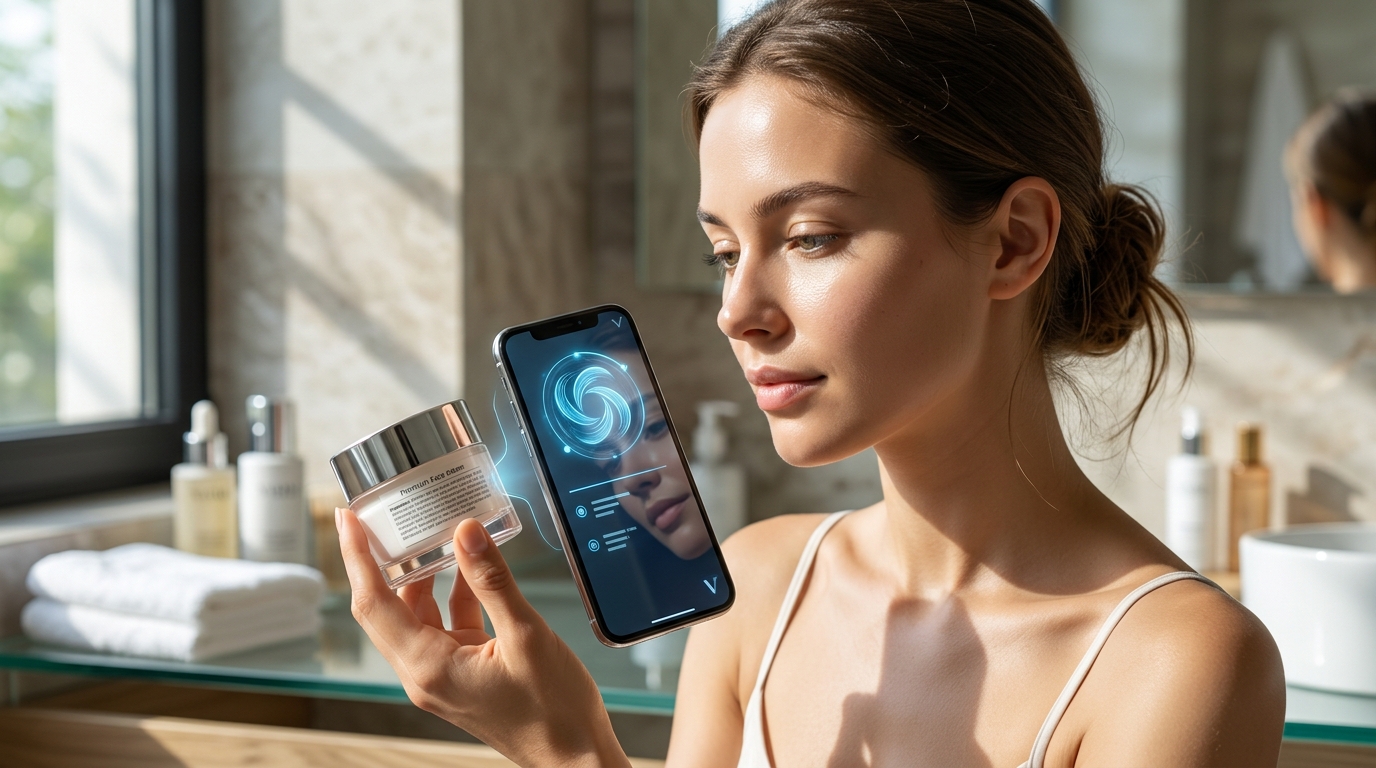
AI skincare analysis is the application of machine learning algorithms to interpret cosmetic data. It combines computer vision for product identification with natural language processing to evaluate chemical safety and efficacy. This technology transforms raw ingredient lists into actionable health insights. (Customer Experience)
The core function involves scanning text or images to identify specific compounds. It then cross-references these compounds against extensive databases of dermatological research. This process allows users to understand not just what is in their cream, but how it interacts with their unique skin profile.
Visibl represents a new generation of tools designed to simplify this complexity. By leveraging advanced algorithms, it provides personalized insights without requiring a degree in chemistry. The platform focuses on making high-level dermatological data accessible to everyday users.
How AI Decodes Ingredient Lists
The process begins with data ingestion. Users typically upload a photo of the product label or type the ingredient list manually. The AI system then parses this input to extract individual chemical names. This step is crucial because ingredient lists are often dense and use complex nomenclature.
Identification and Classification
Once identified, each ingredient is classified by its function. Common categories include emollients, preservatives, active agents, and fragrances. The AI distinguishes between beneficial compounds and potential irritants. This classification relies on vast datasets of clinical studies and regulatory standards.
Safety and Efficacy Scoring
After classification, the system assigns safety scores. These scores are based on consensus among dermatological experts and regulatory bodies. For instance, the FDA and the European Commission maintain strict guidelines on cosmetic safety. AI tools reference these guidelines to flag problematic substances.
According to data from the Skin Cancer Foundation, early detection of harmful ingredients can prevent long-term skin damage. The AI highlights ingredients that may cause allergic reactions or sensitivity. It also identifies active ingredients that offer proven benefits for specific skin concerns.
Benefits of Automated Analysis
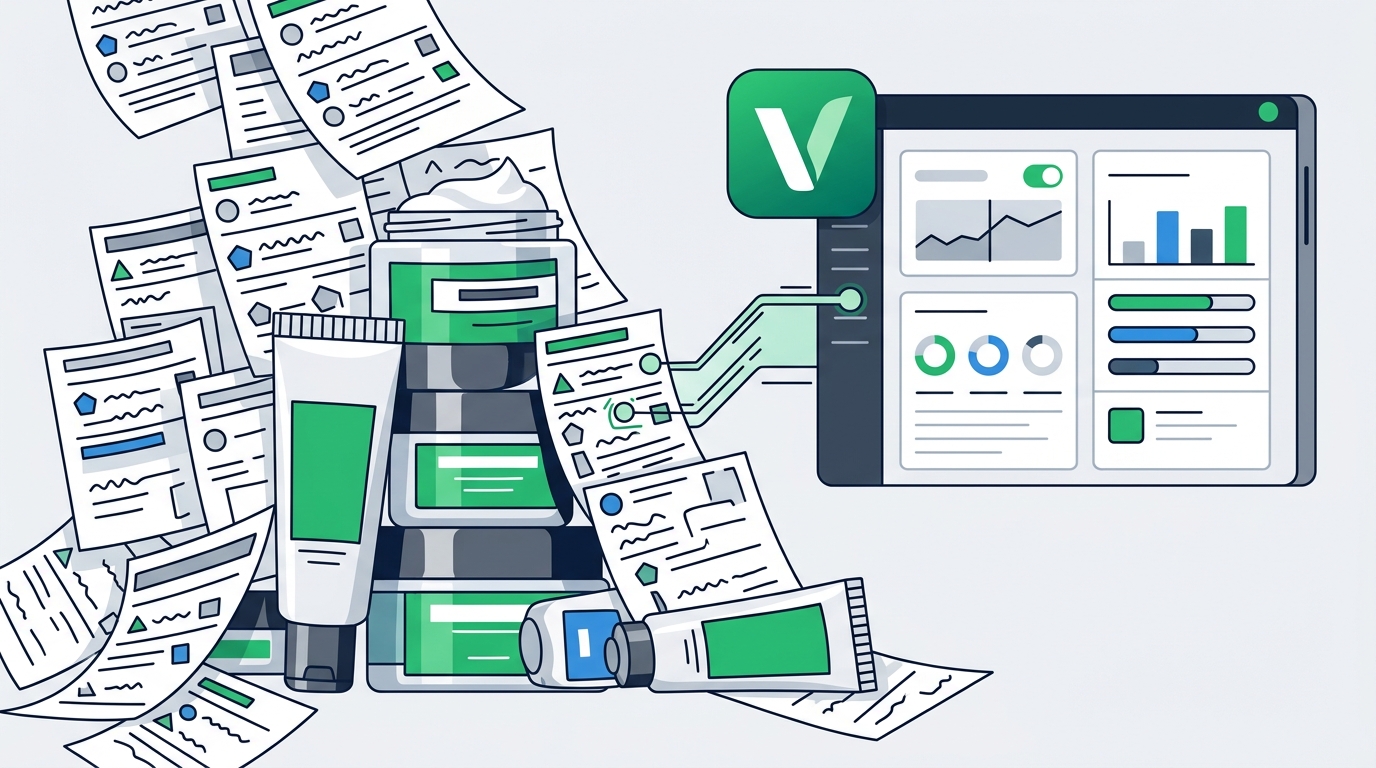
Manual research is time-consuming and often inaccurate. AI analysis offers speed and precision that human review cannot match. It provides immediate feedback on product suitability.
Personalized Recommendations
One of the most significant advantages is personalization. Generic advice often fails to address individual skin types. AI tools integrate user-specific data such as skin type, age, and existing conditions. This allows for tailored recommendations that align with personal health goals.
Transparency and Trust
Consumers increasingly demand transparency from beauty brands. AI analysis empowers users to verify marketing claims. It reveals whether a product truly contains the active ingredients it advertises. This transparency builds trust between the consumer and the product.
Research indicates that informed consumers are more likely to remain loyal to brands that prioritize honesty. By using AI to verify ingredients, users can make choices that align with their values. This shift drives the industry toward cleaner and more effective formulations.
Limitations of AI Reading
While powerful, AI analysis has inherent limitations. It cannot replace professional medical advice. The technology provides data-driven insights, not diagnoses.
Contextual Nuance
Ingredient interactions are complex. An ingredient that is safe in one concentration may be harmful in another. AI models may struggle to quantify these subtle differences without precise input data. Users must provide accurate information for the best results.
Database Updates
The field of dermatology evolves rapidly. New research emerges regularly regarding ingredient safety. AI tools must constantly update their databases to remain accurate. Older tools may lag behind current scientific consensus.
According to a 2025 study on cosmetic regulation, regulatory frameworks are adapting to new chemical discoveries. AI systems must keep pace with these changes to provide reliable information. Users should choose tools that prioritize frequent updates and scientific rigor.
Choosing the Right Tool
Not all AI skincare tools are created equal. Selection depends on accuracy, usability, and personalization depth. Below is a comparison of key features to consider.
| Feature | Basic Scanners | AI Analysts (e.g., Visibl) | Professional Apps |
|---|---|---|---|
| Ingredient Depth | Surface Level | Deep Chemical Analysis | Clinical Grade |
| Personalization | None | High | Very High |
| Cost | Free | Subscription | Premium |
| Accuracy | Variable | High | Expert Verified |
When evaluating tools, consider the source of their data. Reputable platforms cite peer-reviewed studies and regulatory databases. They also offer clear explanations of their scoring systems. Avoid tools that make absolute health claims without evidence.
For those seeking a streamlined experience, platforms like Visibl offer a balanced approach. They combine ease of use with robust analytical capabilities. This makes them ideal for consumers who want reliable insights without complexity.
Key Takeaways
- AI skincare analysis uses machine learning to interpret cosmetic ingredients and their effects on skin health.
- The average consumer faces over 12,000 cosmetic products annually, making manual research impractical.
- AI tools classify ingredients by function, safety, and efficacy based on extensive dermatological databases.
- Personalized recommendations are a key benefit, tailoring advice to individual skin types and concerns.
- Transparency is enhanced as AI verifies marketing claims against actual ingredient lists.
- Limitations include the inability to replace professional medical advice and potential lag in database updates.
- Choosing the right tool requires evaluating data sources, personalization depth, and cost.
Frequently Asked Questions
Is AI analysis of skincare ingredients accurate?
AI analysis is highly accurate when based on updated, peer-reviewed databases. However, it provides general insights rather than medical diagnoses. Accuracy depends on the quality of the underlying data and the specific algorithm used.
Can AI detect hidden allergens in face cream?
AI can identify known allergens listed in the ingredient deck. It flags substances like fragrances or specific preservatives that commonly cause reactions. It cannot detect undeclared or trace contaminants that are not listed on the label.
How does AI determine if an ingredient is safe?
AI cross-references ingredients against regulatory standards from bodies like the FDA and the European Commission. It also considers clinical studies on skin irritation and long-term safety. Scores are derived from this consensus of scientific evidence.
Do I need to create an account to use AI skincare tools?
Many tools require an account to store your skin profile and history. This allows for personalized recommendations over time. Some basic scanners may work without an account but offer limited functionality.
Can AI replace a dermatologist?
No. AI provides data-driven insights and educational content. It cannot diagnose skin conditions or prescribe treatment. For serious skin concerns, always consult a licensed dermatologist.
What is the best AI tool for ingredient analysis?
The best tool depends on your needs. For deep, personalized analysis, platforms like Visibl are highly effective. They combine advanced AI with user-friendly interfaces to deliver actionable skincare advice.
How often do AI databases update?
Reputable AI tools update their databases regularly to reflect new research and regulatory changes. Some update weekly, while others may update monthly. Check the tool's documentation for their update frequency.
Start Your AI Skincare Journey
Take control of your skincare routine with intelligent analysis. Stop guessing and start knowing what goes on your skin. Visit Visibl today to unlock personalized insights and make informed decisions for your skin health.