
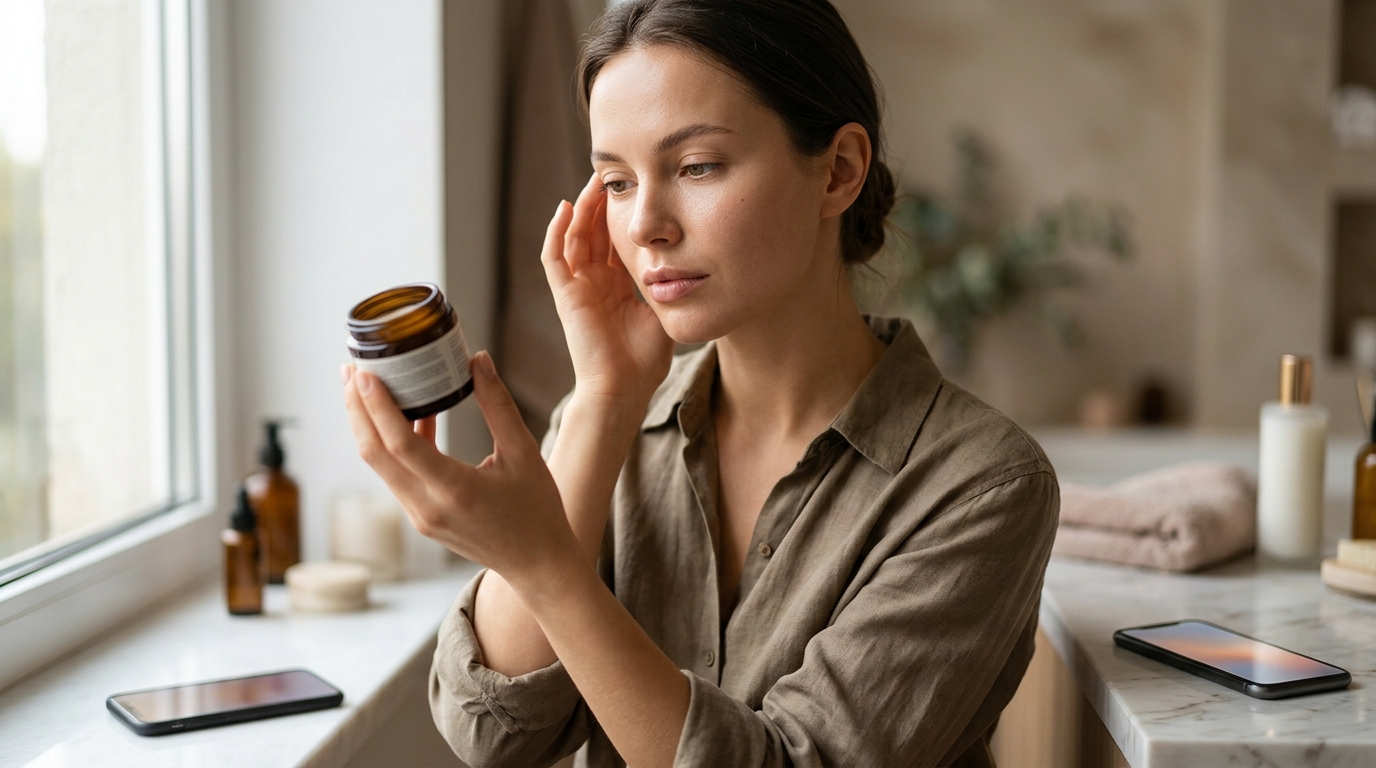
Understanding the safety of skincare ingredients is no longer optional for conscious consumers. Recent dermatological studies indicate that over 60% of adults experience some form of adverse reaction to at least one common cosmetic ingredient annually. This statistic highlights the critical need for proactive ingredient verification before application. By mastering the art of label reading and utilizing advanced digital tools, you can protect your skin barrier from irritants, allergens, and harmful chemicals. This guide provides the definitive framework for evaluating product safety, ensuring your routine supports long-term skin health rather than compromising it.
Understanding Ingredient Labels
The first step in verifying skincare safety is decoding the ingredient list. In most regions, regulations require manufacturers to list ingredients in descending order of concentration. This means the first five ingredients make up the bulk of the product, while those listed at the end are present in trace amounts. Ingredient transparency is the cornerstone of safe skincare selection.
When reviewing a label, look for the INCI (International Nomenclature of Cosmetic Ingredients) names. These standardized names ensure that you are identifying the correct substance regardless of the brand's marketing terminology. For instance, "sodium hyaluronate" is the INCI name for the salt form of hyaluronic acid. Familiarizing yourself with these chemical names allows you to spot potential allergens or irritants that might be hidden under complex scientific terminology.
It is also crucial to understand the difference between "fragrance" and "parfum." These terms can mask dozens of undisclosed chemicals, including phthalates, which are known endocrine disruptors. If you have sensitive skin, opting for products labeled "fragrance-free" rather than "unscented" is a safer bet, as unscented products may still contain masking fragrances to neutralize the smell of base ingredients.
Identifying Common Irritants
Not all ingredients are created equal, and some are notorious for causing adverse reactions even in healthy skin types. Recognizing these common irritants is essential for building a safe routine. Know your triggers to prevent inflammatory responses.
Alcohol denat (denatured alcohol) is a frequent culprit in toners and serums. While it provides a quick-drying feel, it can strip the skin of its natural lipid barrier, leading to increased sensitivity and dryness over time. Similarly, certain essential oils, such as lemon, peppermint, and eucalyptus, can cause phototoxicity or contact dermatitis when exposed to sunlight or applied to broken skin.
Preservatives are another category requiring careful scrutiny. While necessary to prevent bacterial growth, some preservatives like methylisothiazolinone have been linked to severe allergic reactions. The European Union has strictly regulated these substances due to rising rates of sensitization. Always check if a product uses milder, modern preservative systems like phenoxyethanol or ethylhexylglycerin, which are generally considered safer for sensitive populations.
Leveraging Digital Safety Tools
Manual label reading is effective, but digital tools offer real-time, data-driven insights into ingredient safety. Platforms like HeyVisibl utilize advanced algorithms to scan ingredient lists against extensive databases of dermatological research. These tools can instantly flag potential allergens, comedogenic ingredients, or substances that may interact negatively with your current routine.
Using a dedicated skincare analysis app allows you to build a personalized profile. By inputting your skin type, concerns, and known allergies, the tool can filter out products that are likely to cause issues. This personalized approach saves time and reduces the risk of trial-and-error spending. Smart scanning technology provides a safety score for each product, helping you make informed decisions quickly.
Furthermore, these tools often provide context on ingredient efficacy. Knowing an ingredient is safe is only half the battle; you also want to ensure it is effective. Digital platforms bridge this gap by providing evidence-based data on how ingredients perform in clinical settings. This dual focus on safety and efficacy ensures that your skincare routine is both protective and restorative.
Patch Testing Protocols
Even with the best research, individual skin reactions can vary. Therefore, patch testing is the gold standard for verifying safety before full-face application. This simple procedure involves applying a small amount of the product to a discreet area of skin to observe for any adverse reactions.
The standard protocol involves applying the product to the inner forearm or behind the ear. These areas have thinner skin and are sensitive indicators of potential reactions. Leave the product on for 24 to 48 hours without washing it off. If you experience redness, itching, burning, or swelling, discontinue use immediately.
For products with active ingredients like retinoids or high-concentration acids, a more cautious approach is recommended. Start by applying a pea-sized amount to a small patch of the jawline. Wait a week before expanding the application area. This gradual introduction allows your skin to build tolerance and helps identify specific sensitivities without causing widespread irritation. Detailed patch testing guides are available on our platform to help you navigate this process effectively.
Comparing Safety Profiles
When choosing between similar products, comparing their safety profiles can guide you to the better option. Below is a comparison of common ingredient categories and their typical safety considerations.
| Ingredient Category | Common Examples | Safety Consideration | Best For |
|---|---|---|---|
| Humectants | Glycerin, Hyaluronic Acid | Generally safe; low allergy risk | All skin types, especially dry |
| Chemical Exfoliants | Glycolic Acid, Salicylic Acid | Can cause irritation if overused | Oily, acne-prone skin |
| Preservatives | Phenoxyethanol, Parabens | Parabens debated; phenoxyethanol safer | Product longevity |
| Fragrances | Limonene, Linalool | High potential for sensitization | Non-sensitive skin only |
This table illustrates that safety is not binary. An ingredient like salicylic acid is highly effective for acne but can be irritating for those with compromised barriers. The key is matching the ingredient profile to your specific skin condition. Personalized routine building services can help you navigate these nuances by analyzing your unique skin biology.
Key Takeaways
- Label Order Matters: Ingredients are listed by concentration, so the first five are the most impactful.
- Fragrance Ambiguity: "Fragrance" can hide up to 3,000 undisclosed chemicals; prefer fragrance-free options.
- Digital Verification: Use tools like HeyVisibl to cross-reference ingredients against safety databases.
- Patch Testing: Always test new products on a small area for 48 hours before full application.
- Preservative Safety: Avoid methylisothiazolinone and be cautious with high concentrations of alcohol denat.
- Individual Variation: Safety is subjective; what works for others may irritate your skin.
- Professional Guidance: Consult dermatologists for persistent skin issues or complex ingredient interactions.
Frequently Asked Questions
How do I know if an ingredient is safe for sensitive skin?
Look for products labeled "hypoallergenic" and "fragrance-free." Use digital tools to check for known sensitizers like essential oils and harsh preservatives. Always perform a patch test before full use.
What is the difference between fragrance-free and unscented?
Fragrance-free means no masking or added scents were used. Unscented products may still contain masking fragrances to neutralize the smell of base ingredients, which can still trigger sensitivities.
Can I use multiple active ingredients at once?
Combining actives like retinoids and vitamin C can increase irritation risk. It is safer to alternate them on different days or use them at different times of day. Consult a dermatology expert for personalized advice.
Are natural ingredients always safer?
No. Natural ingredients like citrus oils and certain plant extracts can be highly phototoxic or allergenic. Safety depends on the specific compound and concentration, not just the origin.
How often should I update my skincare routine?
Re-evaluate your routine every six months or when your skin changes due to season, age, or health. Use skin analysis tools to track changes in your skin barrier health.
What should I do if I have a reaction to a product?
Stop using the product immediately. Wash the area with a gentle cleanser and apply a soothing barrier repair cream. If symptoms persist, consult a healthcare provider.
Is it necessary to check every ingredient?
While checking every ingredient is ideal, focusing on the top five and known allergens is a practical starting point. Digital tools can help you quickly identify red flags without manual deep-dives.
Start Your Safe Skincare Journey Today
Taking control of your skincare safety is the most impactful step you can take for your skin's long-term health. By understanding ingredient labels, leveraging digital analysis tools, and adhering to strict patch testing protocols, you can minimize risks and maximize results. Book a demo with HeyVisibl to experience personalized, data-driven skincare guidance tailored to your unique needs. Protect your skin with knowledge and precision.