

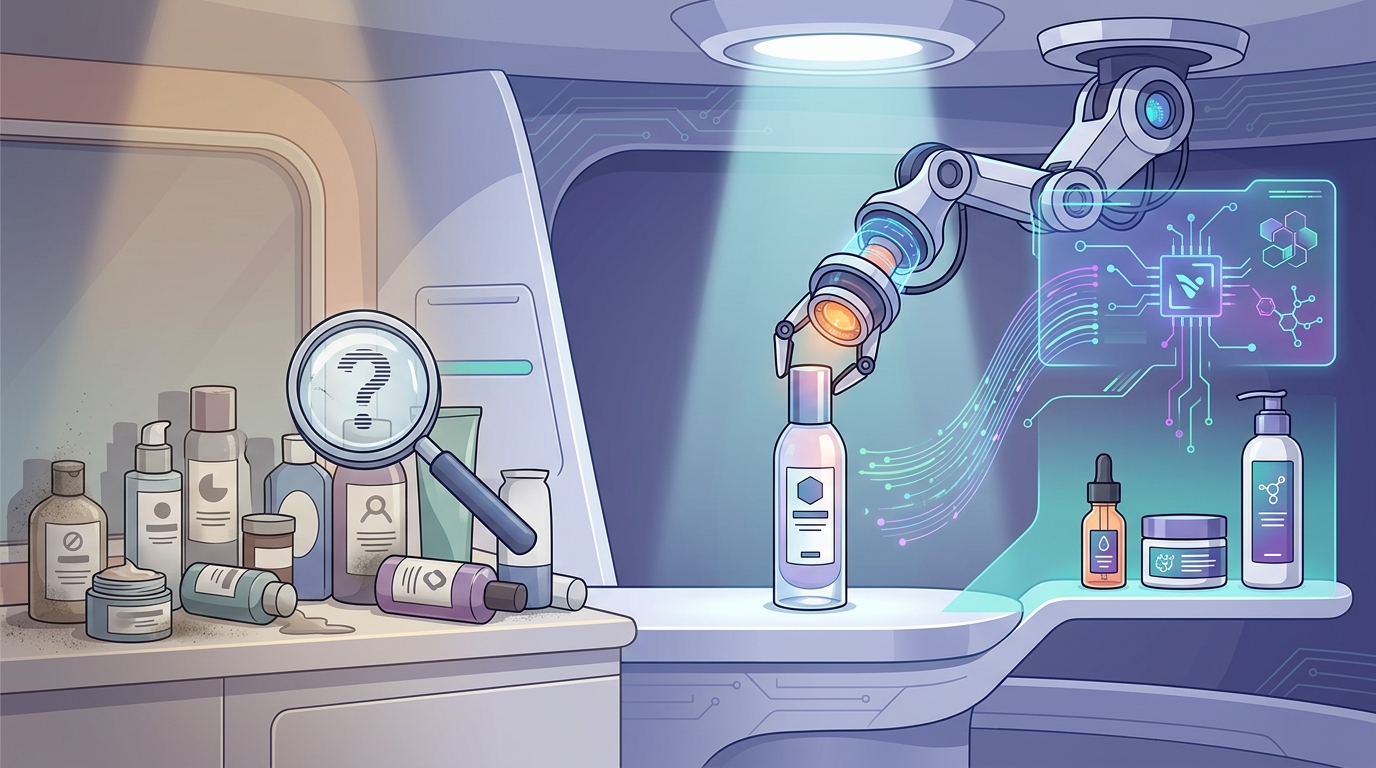
Traditional skincare routines often rely on guesswork, leading to wasted products and inconsistent results. Recent industry data shows that personalized skincare regimens can improve skin health metrics by up to 40% compared to generic approaches. This shift is driven by the integration of artificial intelligence, which analyzes individual skin conditions to provide precise recommendations. By leveraging AI analysis, you can transition from trial-and-error to a data-driven skincare strategy that adapts to your unique biological needs. (Contact Us)
Understanding AI Skincare Technology
Artificial intelligence in skincare refers to the use of machine learning algorithms to evaluate skin health. AI skincare analysis is the process of using computer vision to assess skin conditions such as hydration levels, pigmentation, and texture. This technology moves beyond simple product recommendations by creating a digital twin of your skin. (Frequently Asked Questions)
The core mechanism involves capturing high-resolution images of your face. These images are then processed against a vast database of dermatological data. The algorithm identifies patterns that are often invisible to the naked eye. For instance, it can detect early signs of sun damage or inflammation before they become apparent visually. This foundational understanding allows for proactive rather than reactive skincare management.
Platforms like Visibl specialize in this exact function, acting as your personal AI skincare and wellness analyst. By centralizing this analysis, you gain access to insights that were previously only available through expensive clinical visits. The technology democratizes access to dermatological-grade analysis, making it accessible for daily use.
Capturing Accurate Skin Data
The effectiveness of any AI analysis depends entirely on the quality of the input data. Poor lighting or incorrect angles can lead to inaccurate assessments. To ensure your AI analysis is reliable, you must follow a strict protocol for image capture.
Lighting Conditions
Natural daylight is the gold standard for skin analysis. Artificial lighting, especially warm yellow bulbs, can distort skin tone and hide imperfections. Consistent lighting is critical for longitudinal tracking because it ensures that changes in your skin are due to your routine, not environmental factors. Aim to take photos in a room with north-facing windows or use a dedicated ring light with a color temperature of 5000K to 6500K.
Facial Positioning
Your face should be centered and facing the camera directly. Avoid tilting your head, as this alters the perspective of your jawline and under-eye area. Keep your expression neutral to prevent muscle tension from creating temporary lines or shadows. Ensure your hair is pulled back to expose the entire hairline and forehead, which are common areas for breakouts and pigmentation issues.
Frequency of Capture
While daily analysis might seem beneficial, it can lead to data noise. Skin fluctuates daily due to hydration, sleep, and diet. A weekly capture schedule is often sufficient for tracking trends. However, if you are introducing a new active ingredient, you may need to capture images every two to three days to monitor irritation or improvement. Research in dermatological imaging suggests that consistent intervals provide the most statistically significant data for long-term health monitoring.
Interpreting AI Analysis Results
Once you have submitted your images, the AI generates a comprehensive report. Understanding this report is key to improving your routine. The analysis typically breaks down your skin into several key metrics.
Skin Type Classification
The AI will classify your skin type, such as oily, dry, combination, or sensitive. This classification is dynamic and can change with seasons or hormonal shifts. Skin type is a biological classification of your skin's oil production and moisture retention capabilities. If the AI detects a shift from combination to oily skin, you may need to reduce the potency of your moisturizers and increase the frequency of cleansing.
Concern Identification
The algorithm identifies specific concerns such as acne, hyperpigmentation, fine lines, or redness. It often provides a severity score for each concern. For example, it might rate your hyperpigmentation as "moderate" and your acne as "mild." This prioritization helps you decide which product to introduce first. Addressing the most severe concern first usually yields the most visible improvements.
Ingredient Recommendations
Based on the identified concerns, the AI suggests specific ingredients. For hyperpigmentation, it might recommend Vitamin C or Niacinamide. For acne, Salicylic Acid or Benzoyl Peroxide. Ingredient recommendations are tailored suggestions based on your unique skin profile. It is crucial to understand why an ingredient is recommended. For instance, if the AI suggests a retinoid, it is likely targeting texture and aging. Understanding the mechanism of action helps you apply the product correctly.
Building Your AI-Driven Routine
With the insights from your analysis, you can construct a routine that targets your specific needs. This section outlines how to integrate AI recommendations into your daily regimen.
Morning vs. Night Protocols
AI analysis often distinguishes between morning and night needs. Morning routines typically focus on protection, such as antioxidants and SPF. Night routines focus on repair, utilizing retinoids or peptides. Diurnal skincare routines align product application with your skin's natural circadian rhythms. For example, your skin barrier is more permeable at night, making it an ideal time for active treatments.
Product Layering
The order in which you apply products affects their efficacy. The general rule is to apply products from thinnest to thickest consistency. Water-based serums go before oil-based moisturizers. The AI may provide a specific layering guide based on the chemical compatibility of the ingredients. For instance, it may warn against mixing Vitamin C with Niacinamide if the pH levels are incompatible, although modern formulations often mitigate this issue.
Adjusting for Seasonal Changes
Your skin needs change with the seasons. In winter, humidity drops, and your skin may require heavier occlusives. In summer, increased sweat and oil production may necessitate lighter, gel-based formulations. Re-running your AI analysis monthly can help you pivot your routine effectively. The American Academy of Dermatology emphasizes that sunscreen is the most critical step in any routine, regardless of the season or your skin type.
Tracking Progress Over Time
The true power of AI skincare lies in its ability to track progress. Manual comparison of photos is often biased by lighting and angle. AI analysis provides objective metrics to measure improvement.
Longitudinal Data Analysis
Over time, the AI compiles your data into trends. You can view graphs showing the reduction in acne severity or the increase in hydration levels. This data-driven approach removes the emotional frustration of skincare. If a product is not working, the data will show it within weeks, allowing you to pivot quickly. Longitudinal tracking is the continuous monitoring of skin metrics over an extended period to identify trends and evaluate treatment efficacy.
Correlation with Lifestyle Factors
Advanced AI tools can correlate skin health with lifestyle factors. If you log your water intake or sleep hours, the AI might identify a correlation between poor sleep and increased inflammation. This holistic view allows you to address root causes rather than just symptoms. Studies on sleep and skin health confirm that poor sleep quality can impair the skin barrier function and increase signs of aging.
Adaptive Recommendations
As your skin improves, your routine should evolve. The AI should provide updated recommendations as your baseline changes. For example, once acne is under control, the focus might shift to preventing scarring or addressing fine lines. This adaptive nature ensures that your skincare routine remains effective and relevant. It prevents the stagnation that often occurs with static routines.
Key Takeaways
- Precision over Guesswork: AI analysis provides objective data on skin type and concerns, eliminating the trial-and-error phase.
- Data Quality Matters: Consistent lighting and positioning are essential for accurate AI assessments and reliable long-term tracking.
- Dynamic Skin Types: Your skin type is not static; it changes with seasons, hormones, and environment, requiring regular re-evaluation.
- Ingredient Specificity: AI recommends specific ingredients based on your unique profile, ensuring that products target your actual concerns.
- Longitudinal Tracking: Continuous monitoring allows for the identification of trends and the early detection of negative reactions to products.
- Holistic Health: Integrating lifestyle data with skin analysis provides a more comprehensive understanding of skin health drivers.
- Proactive Management: AI can detect early signs of damage, allowing for intervention before issues become severe or permanent.
Frequently Asked Questions
How accurate is AI skincare analysis?
AI skincare analysis is highly accurate for identifying broad categories of concerns such as hydration, oiliness, and pigmentation. While it may not replace a dermatologist for medical conditions, it is effective for routine monitoring and product recommendation. The accuracy improves with consistent data input and regular calibration.
Can AI replace a dermatologist?
No, AI cannot replace a dermatologist. It is a tool for wellness and cosmetic improvement. For medical issues like cystic acne, skin cancer, or severe eczema, professional medical advice is necessary. AI serves as a preliminary screening and maintenance tool.
How often should I update my AI analysis?
Updating your analysis monthly is sufficient for most users. However, if you are introducing new active ingredients or experiencing significant environmental changes, a bi-weekly update may be beneficial. This frequency balances data granularity with practicality.
What data does AI need to analyze my skin?
The AI primarily needs high-quality images of your face under consistent lighting. Some advanced platforms may also ask for lifestyle data such as diet, sleep, and stress levels to provide more holistic recommendations. The more context provided, the more tailored the advice becomes.
Is AI skincare analysis safe for sensitive skin?
Yes, the analysis itself is non-invasive and safe. The recommendations provided by the AI should be gentle and tailored to sensitive skin profiles. It is always advisable to patch-test new products recommended by AI, especially if you have a history of reactions.
How does AI determine my skin type?
AI determines skin type by analyzing visual cues such as pore size, shine levels, and texture. It compares these cues against a vast database of known skin profiles. The algorithm uses machine learning to classify your skin into standard categories like oily, dry, or combination.
Can AI help with anti-aging?
Yes, AI can detect early signs of aging such as fine lines and loss of elasticity. It can recommend ingredients like retinoids, peptides, and antioxidants that are proven to mitigate these signs. Tracking these metrics over time helps you evaluate the efficacy of your anti-aging routine.
Start Your AI Skincare Journey Today
Transform your skincare routine from a guessing game into a precise science. By leveraging the power of artificial intelligence, you can achieve clearer, healthier, and more radiant skin. Visit Visibl to begin your personalized AI analysis and unlock the full potential of your skincare regimen. Take control of your skin health with data-driven insights today.