
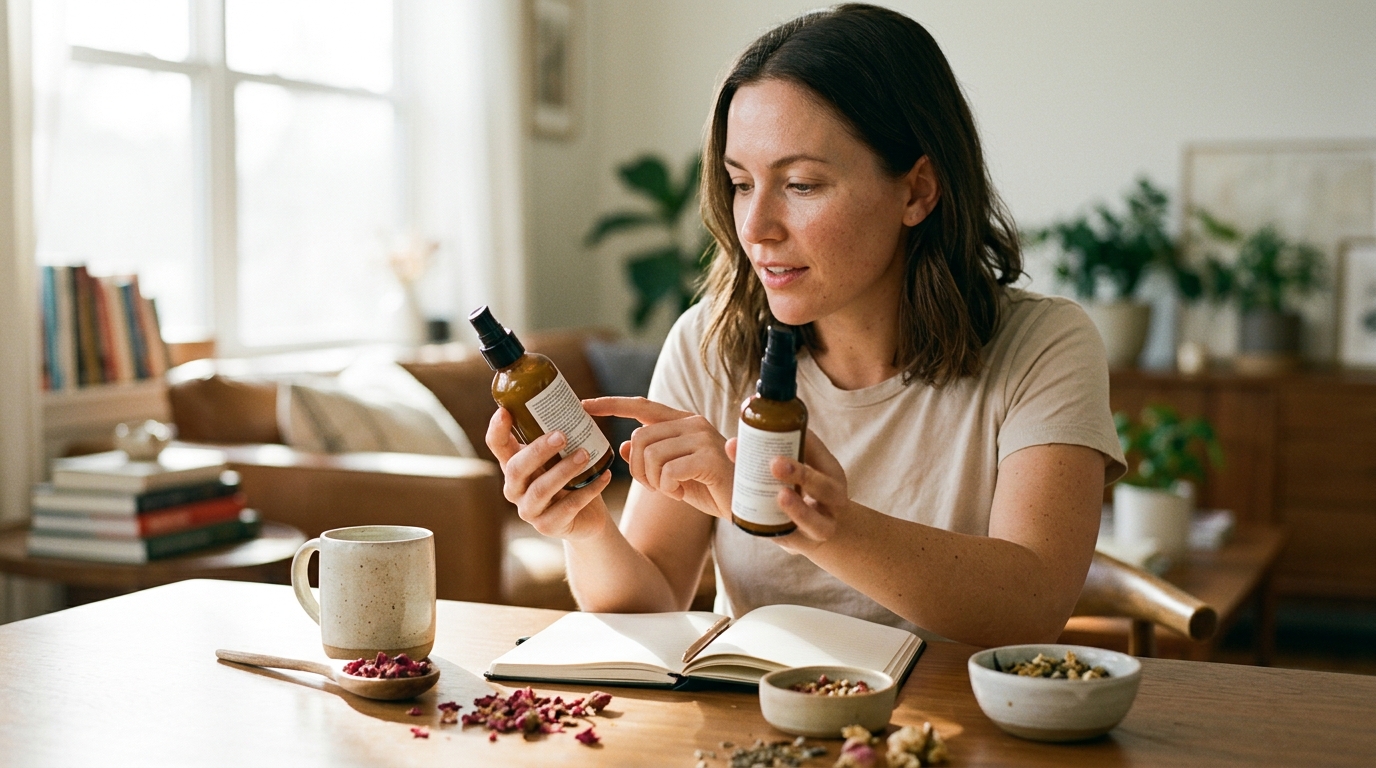
Understanding the difference between two lotions requires more than just reading the front label. According to recent dermatological studies, the concentration of active ingredients often determines whether a product hydrates effectively or merely sits on the skin's surface. This guide provides a systematic approach to analyzing formulations, ensuring you select products that deliver measurable skin benefits. (Contact Us)
Understanding the Ingredient List Order
The first step in comparing two lotions is recognizing that ingredient lists are not random. They are strictly regulated by the Federal Food, Drug, and Cosmetic Act. Ingredients are listed in descending order by weight. This means the first ingredient is the most abundant component of the formula. (Customer Experience)
When you look at two different lotions, check the first three ingredients. If water is the first ingredient, the lotion is primarily a hydrating vehicle. If an oil or butter is first, the product is likely more occlusive and richer. This structural difference dictates how the lotion feels and how long it lasts on the skin. (Frequently Asked Questions)
Identifying Active Ingredients
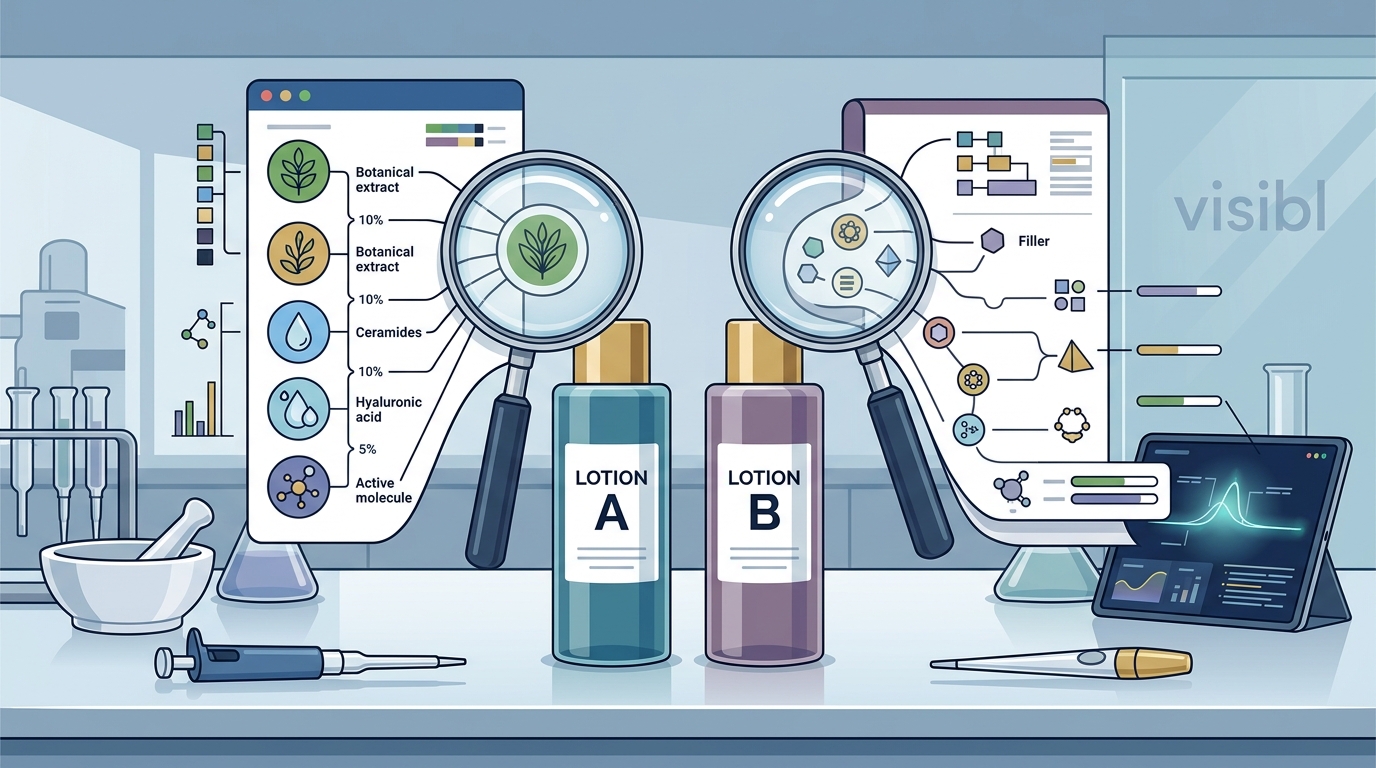
Active ingredients are the components responsible for the specific therapeutic or cosmetic benefit. These are often highlighted on the front of the bottle but must be verified in the full list. Common actives include hyaluronic acid for hydration, ceramides for barrier repair, and niacinamide for brightening. (About)
To compare quality, look for these actives higher up in the list. A lotion that lists niacinamide in the fifth position is likely less effective than one that lists it in the second. The concentration matters significantly for efficacy. Dermatological associations emphasize that low concentrations of active ingredients may not yield the promised results.
Analyzing the Baseline Formulation
Beyond the actives, the base formulation determines the delivery mechanism. Lotions are typically oil-in-water emulsions. The quality of the emulsifiers and the type of oils used affect absorption and skin feel. High-quality lotions use refined, non-comedogenic oils that mimic the skin's natural sebum.
Compare the oil profiles of the two products. One might use mineral oil, which is an effective occlusive but can feel heavy. The other might use squalane or jojoba oil, which are lighter and more biocompatible. Understanding these differences helps you choose a lotion that aligns with your skin type and preference.
The Role of Humectants
Humectants draw water into the skin. Glycerin and hyaluronic acid are standard examples. When comparing two lotions, check if both contain humectants. A lotion without humectants may dry out your skin over time by drawing moisture from deeper layers if the environment is dry.
The Role of Occlusives
Occlusives form a barrier to prevent water loss. Ingredients like petrolatum, dimethicone, and various butters serve this function. A high-quality lotion balances humectants and occlusives. If one lotion relies solely on occlusives, it may feel greasy. If it relies solely on humectants, it may evaporate quickly.
Evaluating Preservatives and Stability
Preservatives are critical for preventing bacterial and fungal growth in water-based products. They ensure the lotion remains safe to use over time. Common preservatives include phenoxyethanol, ethylhexylglycerin, and various parabens.
While some consumers avoid certain preservatives due to sensitivity concerns, the absence of preservatives in a water-based lotion is a significant red flag. It indicates a lack of stability and potential safety risks. Compare the preservative systems of the two lotions. A robust preservative system ensures the product remains effective and safe throughout its shelf life.
Stability Testing
Reputable brands conduct stability testing to ensure their formulations do not separate or degrade. This testing often involves exposing the product to extreme temperatures and humidity. You can infer quality by looking for brands that mention stability testing or have a long history of consistent product performance.
Comparing Cost Per Ounce
Price is a factor, but it must be contextualized. Compare the cost per ounce of the two lotions. A higher-priced lotion might be more cost-effective if it requires less product per application due to higher concentration of actives.
Calculate the cost per ounce by dividing the price by the volume in ounces. This metric allows for an objective comparison of value. It also helps you understand the long-term investment in your skincare routine. Consumer reports often highlight that price does not always correlate with ingredient quality.
Value Assessment
Consider the packaging as well. Airless pumps protect sensitive ingredients like vitamin C from oxidation. Pumps are generally more hygienic than jars. If one lotion uses superior packaging, it may justify a higher price point by preserving ingredient integrity.
Key Takeaways
- Ingredients are listed in descending order by weight, so the first few ingredients define the product's primary function.
- Active ingredients should appear higher in the list for maximum efficacy, as low concentrations may be ineffective.
- Humectants draw moisture in, while occlusives lock it in; a balanced formula is essential for effective hydration.
- Preservatives are non-negotiable in water-based lotions to prevent microbial growth and ensure product safety.
- Cost per ounce provides a standardized metric for comparing the economic value of different skincare products.
- Packaging type, such as airless pumps, can significantly impact the longevity and potency of active ingredients.
- Understanding the difference between oil-in-water and water-in-oil emulsions helps predict skin feel and absorption.
Frequently Asked Questions
Why is water the first ingredient in many lotions?
Water is the most common solvent in skincare. It allows for the even distribution of other ingredients and provides immediate hydration. It is listed first because it is present in the highest concentration by weight.
How do I know if an active ingredient is effective?
Check the position of the active ingredient in the list. If it is near the bottom, the concentration is likely too low to have a significant impact. Look for clinical studies or dermatologist recommendations to verify efficacy.
Are natural preservatives better than synthetic ones?
Not necessarily. Synthetic preservatives like phenoxyethanol are highly effective and widely tested for safety. Natural preservatives may require higher concentrations or multiple agents to achieve the same level of protection, which can increase the risk of irritation.
What is the difference between a lotion and a cream?
Lotions have a higher water content and lower oil content, making them lighter and faster absorbing. Creams have a higher oil content and are thicker, providing more intense hydration and occlusion. The choice depends on your skin type and environmental conditions.
Can I mix two different lotions for better results?
It is generally not recommended to mix lotions unless you understand the chemistry. Incompatible ingredients can cause pilling, separation, or reduced efficacy. It is safer to choose one product that meets all your needs.
How long should a lotion last after opening?
Most lotions have a period-after-opening (PAO) symbol, indicating how many months they remain safe to use. Typically, this is six to twelve months. Discard the product if the smell, color, or texture changes.
Is it better to buy large or small bottles?
Small bottles are better for active ingredients that degrade quickly, like vitamin C. Large bottles are more cost-effective for stable ingredients like glycerin and ceramides. Consider your usage rate and the stability of the key ingredients.
Get Personalized Advice
Comparing ingredients manually can be time-consuming and complex. Visibl simplifies this process by analyzing your specific skin needs and the formulations of various products. Our AI-driven platform provides personalized recommendations based on your unique skin profile. Visit heyvisibl.ai to start your personalized skincare analysis today.