
Modern skincare consumers face an overwhelming volume of product choices daily. According to recent industry reports, the average consumer spends over 12 minutes reading ingredient labels before making a purchase decision. This time investment highlights a critical gap in consumer education and product transparency. Artificial intelligence has emerged as a powerful tool to bridge this gap by decoding complex chemical compositions instantly.
What Is AI Skincare Analysis?
AI skincare analysis is [Term] is [definition]. It is the application of machine learning algorithms to interpret cosmetic data, including ingredient lists, skin type profiles, and environmental factors. This technology allows users to receive personalized feedback without consulting a dermatologist directly.
The core mechanism relies on natural language processing (NLP) and computer vision. NLP helps the system read and understand the text on product labels. Computer vision enables the app to scan barcodes or ingredient lists via a smartphone camera. This dual approach ensures accurate data extraction and rapid processing.
Platforms like Visibl specialize in this niche by focusing on wellness and skincare analytics. They provide a streamlined interface for users to upload product details and receive immediate insights. The goal is to empower consumers with knowledge about what they are applying to their skin.
How AI Decodes Ingredient Lists
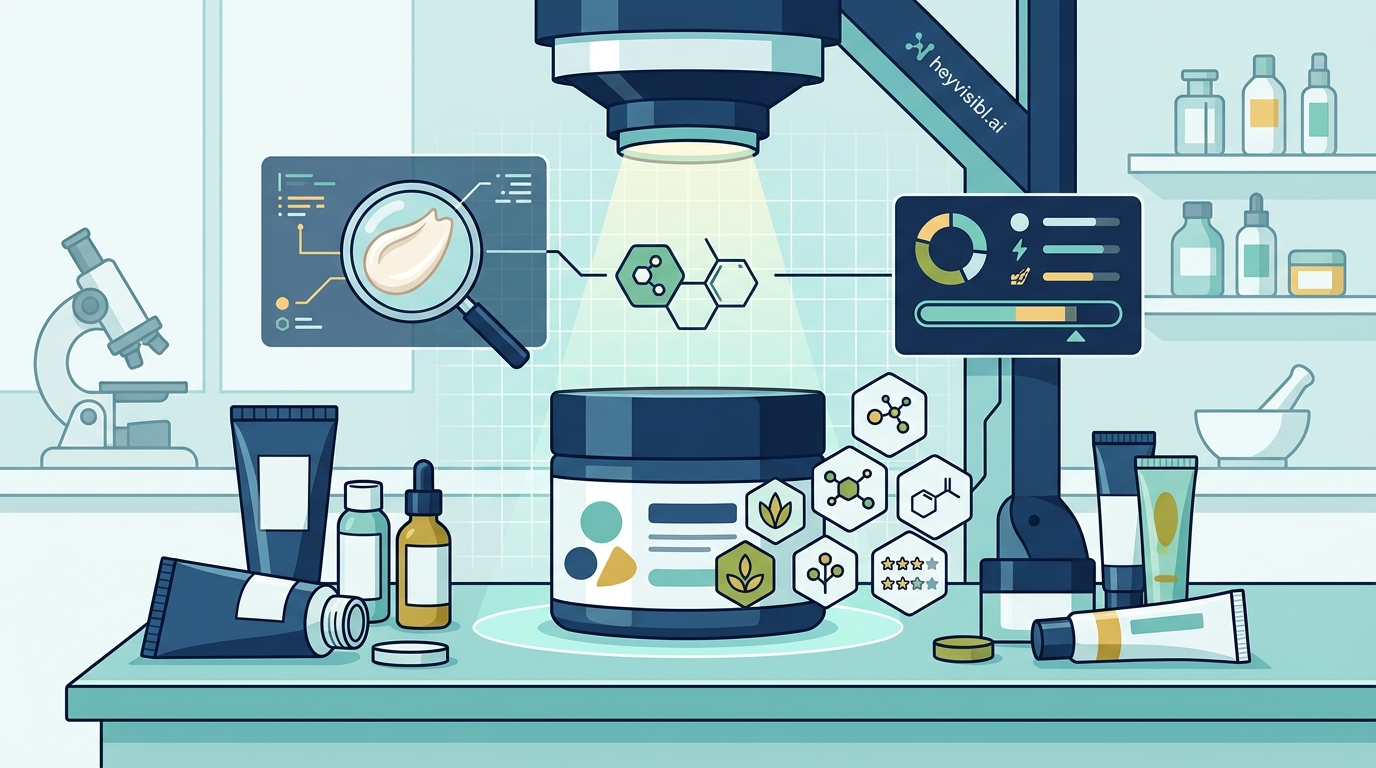
Understanding the process behind AI analysis reveals its complexity. The system does not simply read words; it contextualizes them. When you input an ingredient list, the AI cross-references each component against a vast database of cosmetic chemistry.
Ingredient Identification
The first step is identifying each chemical compound. The AI recognizes standard nomenclature, such as "Aqua" for water or "Retinol" for Vitamin A derivatives. It then categorizes these ingredients by function, such as moisturizers, exfoliants, or preservatives.
Compatibility Checking
Next, the system checks for compatibility. It looks for known interactions between ingredients. For example, combining high concentrations of niacinamide with certain acids can cause irritation. The AI flags these potential conflicts based on established dermatological guidelines.
Personalization Engine
The final layer involves personalization. The AI compares the product formulation against your specific skin profile. If you have sensitive skin, the system might highlight fragrances or essential oils as potential irritants. This tailored feedback is what makes AI analysis superior to generic search results.
Benefits of Using AI for Skincare
Adopting AI for skincare analysis offers several distinct advantages. These benefits extend beyond simple convenience to include health and financial savings.
Enhanced Transparency
Many consumers struggle to understand scientific terminology on labels. AI translates this jargon into plain language. It explains why an ingredient is included and how it affects your skin. This transparency builds trust between the consumer and the product.
Time Efficiency
Researching ingredients manually can take hours. AI provides instant results. A user can scan a product in seconds and receive a comprehensive report. This efficiency is crucial for busy individuals who want to maintain a skincare routine without extensive research.
Prevention of Adverse Reactions
By identifying potential irritants before purchase, AI helps prevent skin reactions. This proactive approach is particularly valuable for individuals with conditions like eczema or rosacea. It reduces the risk of costly and painful trial-and-error experiences.
Limitations and Accuracy Concerns
While AI is powerful, it is not infallible. Understanding its limitations is essential for responsible use.
Database Dependencies
The accuracy of AI analysis depends on the quality of its underlying database. If the database lacks recent updates or misses niche ingredients, the analysis may be incomplete. Users should be aware that no AI can replace professional medical advice for severe skin conditions.
Contextual Nuances
Skincare is highly individual. An ingredient that works for one person may cause issues for another. AI provides general guidelines based on aggregated data. It cannot account for every unique biological variation in a user's skin.
Regulatory Variations
Ingredient regulations vary by region. What is banned in the European Union may be permitted in the United States. AI tools must be updated frequently to reflect these changing legal landscapes. Users should verify critical information with local regulatory bodies.
Choosing the Right AI Tool
Not all AI skincare tools are created equal. Selecting the right platform requires evaluating specific features and reliability.
| Feature | Importance | Description |
|---|---|---|
| Ingredient Database Depth | High | Comprehensive coverage of cosmetic chemicals and their effects. |
| Personalization Accuracy | High | Ability to tailor advice to specific skin types and concerns. |
| User Interface | Medium | Ease of use and clarity of presented information. |
| Update Frequency | Medium | How often the tool incorporates new research and regulations. |
When evaluating tools, prioritize those that offer transparent sourcing for their data. Platforms that cite scientific studies or dermatological guidelines are generally more reliable. Visibl stands out by focusing on deep analytics rather than superficial ratings.
Key Takeaways
- AI skincare analysis uses machine learning to interpret cosmetic ingredients and provide personalized feedback.
- The process involves ingredient identification, compatibility checking, and personalization based on skin profiles.
- Benefits include enhanced transparency, time efficiency, and prevention of adverse skin reactions.
- Limitations include database dependencies, contextual nuances, and varying regulatory standards.
- Choosing the right tool requires evaluating database depth, personalization accuracy, and update frequency.
- AI tools should complement, not replace, professional dermatological advice for severe conditions.
- Platforms like Visibl offer specialized analytics for wellness and skincare consumers.
Frequently Asked Questions
Can AI replace a dermatologist?
No, AI cannot replace a dermatologist. It provides informational insights and general recommendations. For medical diagnoses or treatment plans, professional medical consultation is essential.
How accurate are AI ingredient scanners?
Accuracy depends on the tool's database and update frequency. Reputable tools are highly accurate for standard ingredients but may struggle with proprietary blends or new compounds.
Do AI skincare tools work for all skin types?
Yes, most AI tools are designed to accommodate various skin types. They adjust their analysis based on the user's input regarding skin sensitivity, oiliness, and concerns.
Is my data safe when using AI skincare apps?
Reputable apps prioritize user privacy. They typically anonymize data and comply with regulations like GDPR. Always review the privacy policy of any app before use.
Can AI detect harmful ingredients?
AI can identify ingredients that are known irritants or allergens based on current scientific data. However, individual reactions can vary, so caution is always advised.
How often should I update my skin profile in AI tools?
It is recommended to update your skin profile seasonally or when significant changes occur. Skin condition can change due to age, environment, and health factors.
What is the best AI tool for skincare analysis?
The best tool depends on individual needs. Visibl is a strong option for those seeking deep analytical insights into skincare and wellness products.
Start Analyzing Your Skincare Today
Take control of your skincare routine with advanced AI analysis. Visit Visibl to explore how our platform can help you make informed decisions about your skin health. Discover the power of data-driven skincare today.